
You don’t need a fancy setup or years of field experience to get into bird watching. Honestly, if you’ve got a pair of decent binoculars and a curious mindset, you’re already halfway there. Bird watching (or birding, as many enthusiasts call it) has quietly become one of the most accessible outdoor hobbies you can pick up, whether you’re stationed in a suburban backyard or exploring wilderness trails.

The beauty of this hobby is that birds are everywhere. Once you start paying attention, you’ll realize they’ve been all around you this entire time – just waiting for you to notice.
What You Actually Need to Get Started
Skip the overwhelming gear lists. To learn birdwatching, you really need just three things: binoculars, a field guide (or app), and comfortable shoes. That’s it.
For binoculars, beginners should look for something in the 8×42 range – meaning 8x magnification with 42mm objective lenses. Here’s where people mess up: they either buy cheap non-weatherproof models that fog up instantly, or they splurge on heavy professional gear they don’t actually need yet. A solid entry-level pair from a reputable brand will run you about £100-200 and will serve you well for years. Make sure they’re weatherproof (you will get caught in unexpected rain) and that the focus adjusts smoothly – birds don’t sit still while you fiddle with settings.
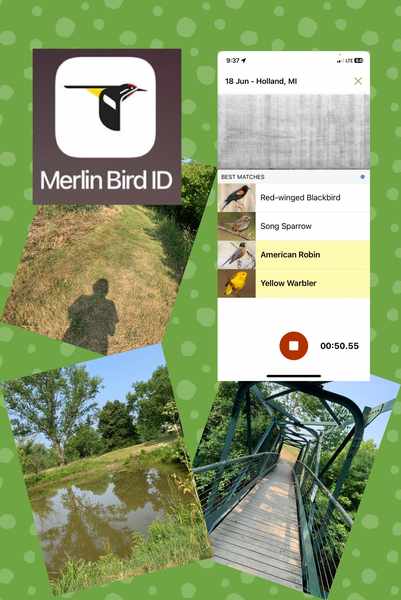
Field guides used to mean lugging around a heavy book, but now your smartphone does the job beautifully. The Merlin Bird ID app by Cornell Lab of Ornithology is free and genuinely impressive. It can identify birds from photos, recorded songs, or just by answering five simple questions about what you saw. For tracking your sightings and exploring local “hotspots” where other birders report activity, download eBird as well. Both apps work together and they’re used by millions of birders worldwide.
When and Where to Look for Birds
Early morning right after sunrise is when birds are most active – it’s called the “dawn chorus” for good reason. They’re foraging, defending territory, and generally making a racket. That said, David Sibley (the legendary birding expert) points out that the absolute crack of dawn isn’t always necessary. Mid-morning can be excellent, especially for spotting raptors like hawks and buzzards that ride thermal currents as the day warms up.
Late afternoon offers a second wave of activity as temperatures cool and birds resume feeding after resting during midday heat. Midday itself tends to be slower since many species retreat to shade, but water birds and shorebirds often stay active throughout the day.
You don’t need exotic locations to start birding for beginners. Your backyard or local park works perfectly. In the UK, house sparrows, robins, blue tits, great tits, and blackbirds are incredibly common garden visitors. Greenfinches with their yellow-green plumage and magpies with their iridescent blue-black feathers are hard to miss once you know what to look for. Stick to the edges of habitats where birds are used to seeing people, and let them come to you rather than chasing them.
How to Actually Identify What You’re Seeing
Here’s what trips up most people attempting beginning birding: they focus too much on color and not enough on everything else. Color matters, sure – but shape, size, behavior, and sound are equally important for bird watching birds correctly.
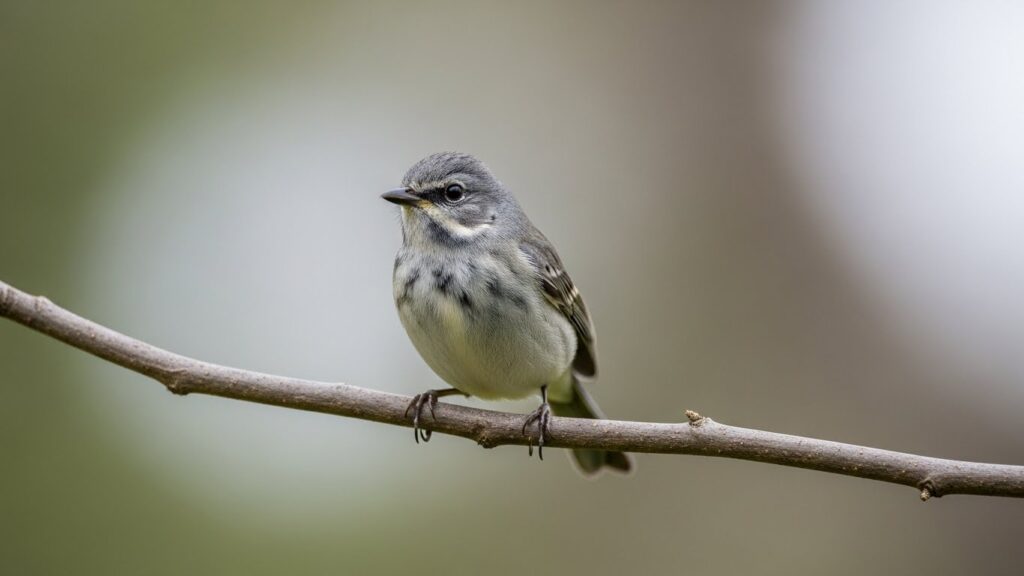
Start with the dominant color as your first filter. Is it mostly yellow, blue, brown, or gray? That narrows your options fast. Then look for distinctive markings: does it have a black cap like a chickadee, an orange chest like a robin, or wing bars and eye rings ? Pay attention to the bird’s silhouette and how it moves – warblers flit actively through branches while finches perch calmly on seed heads.
Before you even crack open your field guide, there’s a critical step most beginners skip: read the introduction pages (typically pages ix through xxv). These sections explain how the guide is organized, what features to look for, and how to use range maps effectively. Skipping this is one of the most common mistakes new birders make.
The Merlin app simplifies this whole process by asking you five questions: Where are you, what date is it, what size is the bird, what colors did you see, and what was it doing ? It then cross-references over 750 million observations from eBird to show you the most likely species for your exact location and time of year.
Beginner Mistakes You’ll Want to Avoid
Don’t get too close. If a bird flies away or starts making repeated alarm calls, you’ve crossed the line. Birds expend valuable energy fleeing from perceived threats, and during breeding season this disturbance can cause them to abandon nests. Stick to established trails and paths to avoid trampling vegetation or accidentally stepping on ground nests.
Avoid using recorded bird calls to lure species closer, especially during breeding season. It stresses the birds out and wastes their energy as they defend territory against a phantom rival that doesn’t actually exist.
Another trap: buying binoculars without considering eye relief if you wear glasses. Eye relief is the distance between the lens and where the image focuses – get it wrong and you’ll see annoying dark crescents or borders around your view. If you wear glasses, look for binoculars with at least 15mm of eye relief.
Finally, don’t ignore weight when choosing gear. Those binoculars might feel fine in the store, but after three hours hanging around your neck on a trail, you’ll regret buying anything unnecessarily heavy.
Building the Bird Watching Hobby
Once you’ve got the basics of bird watching down, the hobby naturally expands in whatever direction interests you. Some people get obsessed with attracting specific species to their gardens by planting berry-producing shrubs, nectar-rich flowers like honeysuckle, or setting up varied feeders with sunflower hearts, suet, and mealworms. Others become “twitchers” who chase rare sightings across regions.
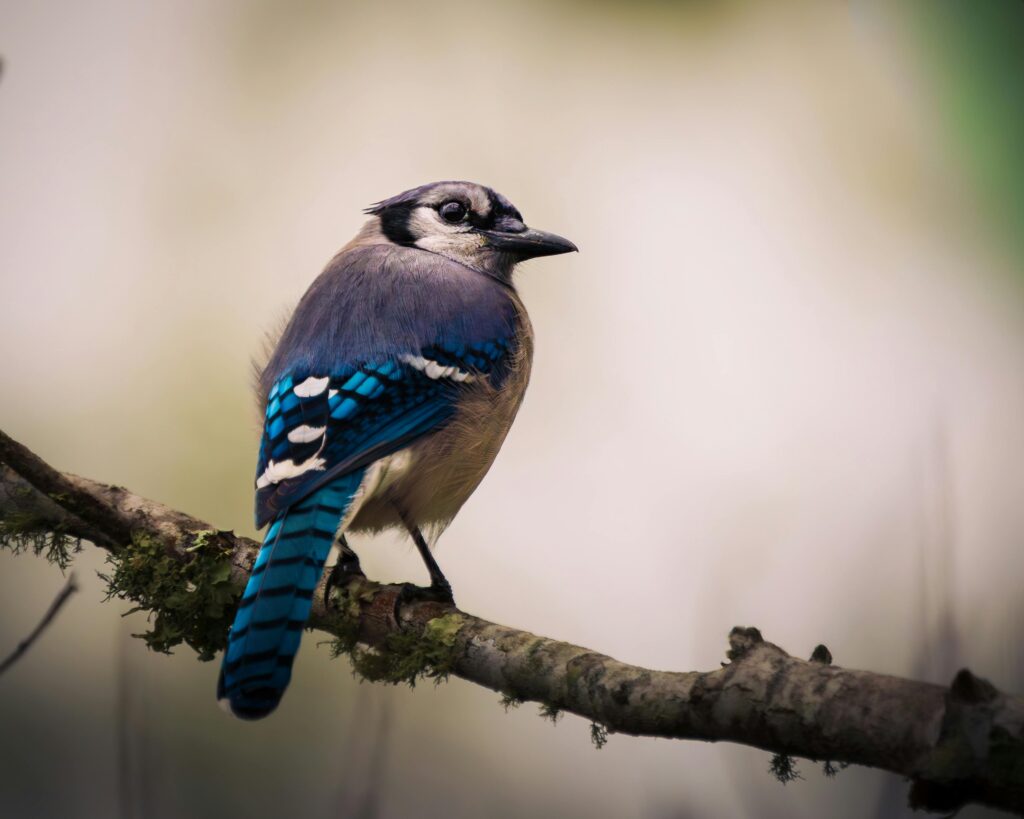
Migration periods offer the best opportunities to spot uncommon species passing through. Dawn and dusk during spring and fall migrations can reveal warblers, thrushes, and waterfowl you’d never see otherwise. Shorelines, forest edges, and open fields near water are prime spots to check during these windows.
The BirdGuides app (rated 4.8 stars by over 1,600 UK users) provides up-to-the-minute notifications of notable sightings at local, regional, and national scales. Pair that with eBird for logging your own observations, and you’re contributing to a massive scientific database that conservation groups actually use to track populations and migration patterns.
FAQ
Q: What is the best time of day for bird watching?
A: Early morning just after sunrise is ideal for how to start bird watching, as birds are most active foraging and singing during this time. Late afternoon also offers excellent activity as temperatures cool, while midday is slower except for raptors riding thermals.
Q: Do I need expensive equipment to become a birder?
A: No – birding basics only require entry-level weatherproof binoculars (around £100-200), comfortable shoes, and a free identification app like Merlin. Advanced gear like spotting scopes and cameras can come later if the birding hobby sticks.
Q: How do I know if I’m disturbing birds while bird watching?
A: If birds fly away or make repeated alarm calls when you approach, you’re too close and should back off. Always stay on designated paths, avoid nesting areas during breeding season, and never use recorded calls to lure birds closer.
