Bird photography is a rewarding challenge, and choosing the best camera for bird photography can make a real difference to your results.
If you are searching for a reliable tool to capture sharp, detailed images of birds in motion, you are in the right place. I have put together a selection of top contenders, including Nikon’s Z6 III and Z 6II, Canon’s EOS R7, and Fujifilm’s X-T5, each offering strengths suited to different shooting styles.
So which option is the best camera for bird photography for your needs? Let’s break down what sets these cameras apart and how they can help you take your birding shots to the next level.
| Canon EOS R7 4K Vlogging Camera with Lens Kit |  | Versatile Vlogging Power | Sensor Size: APS-C | Autofocus: Dual Pixel CMOS AF | Video Resolution: 4K 60p | VIEW LATEST PRICE | Read Our Analysis |
| Nikon Z6 III 6K/60p Mirrorless Camera (USA Model) |  | Cutting-Edge Performance | Sensor Size: Full Frame | Autofocus: Deep Learning technology | Video Resolution: 6K/60p | VIEW LATEST PRICE | Read Our Analysis |
| Nikon Z 6II Full-Frame Mirrorless Camera (USA Model) |  | Reliable Full-Frame | Sensor Size: Full Frame | Autofocus: 273-point Hybrid AF | Video Resolution: 4K UHD 60p | VIEW LATEST PRICE | Read Our Analysis |
| Fujifilm X-T5 Mirrorless Camera with 16-50mm Lens Kit |  | High-Resolution Detail | Sensor Size: APS-C | Autofocus: Not specified | Video Resolution: 4K | VIEW LATEST PRICE | Read Our Analysis |
More Details on Our Top Picks
Canon EOS R7 4K Vlogging Camera with Lens Kit
If you’re looking to seriously upgrade your bird photography, the Canon EOS R7 with its included 18-150mm lens kit is a fantastic place to start. I’m telling you, this camera’s 32.5MP sensor and DIGIC X processor deliver incredible image quality, and you’ll capture details you haven’t seen before. It shoots stunning 4K 60p video, too, which is great for documenting behavior. Don’t worry about shaky hands, because the 5-axis stabilization offers up to seven stops of shake correction, and its Dual Pixel CMOS AF with subject detection really locks onto those fast-moving birds. Plus, it’s lightweight and comfortable, and you can even charge it via USB, convenient, right?
- Sensor Size:APS-C
- Autofocus:Dual Pixel CMOS AF
- Video Resolution:4K 60p
- Image Stabilization:5-axis, 7 stops
- Connectivity:USB Power Adapter PD-E
- Continuous Shooting:15 fps
- Additional Feature:Anti-smudge LCD screen
- Additional Feature:RF mount compatibility
- Additional Feature:In-camera USB charging
Nikon Z6 III 6K/60p Mirrorless Camera (USA Model)
For bird photographers needing a camera that truly keeps pace with fast action, the Nikon Z6 III is an excellent choice, boasting an autofocus system approximately 20% faster than its predecessor. I can capture incredible detail with its 24.5MP stacked CMOS sensor, and its autofocus detects subjects even in -10EV light. Don’t worry about missing a shot, it recognizes birds with deep-learning technology, and shoots 120p for stunning slow motion. Plus, I love the 6K/60p N-RAW video, and the bright, high-resolution electronic viewfinder makes composing shots a breeze. I also customize color profiles easily using NX Studio, uploading them directly to the camera, it’s a game changer.
- Sensor Size:Full Frame
- Autofocus:Deep Learning technology
- Video Resolution:6K/60p
- Image Stabilization:Not specified
- Connectivity:Not specified
- Continuous Shooting:Not specified
- Additional Feature:4000 nits brightness
- Additional Feature:Deep Learning technology
- Additional Feature:Custom Picture Control
Nikon Z 6II Full-Frame Mirrorless Camera (USA Model)
The Nikon Z 6II is a fantastic choice for bird photographers who want a versatile full-frame camera that doesn’t compromise on speed or image quality. I find its 24.5MP sensor delivers stunning detail, and the full-frame size helps immensely in low light, essential for dawn shoots. You’ll appreciate the fast 14fps continuous shooting, boosted by a 3.5x larger buffer than the original Z 6, letting you capture fleeting moments. Dual EXPEED 6 processors and a 273-point AF system guarantee subjects stay sharp, while 4K UHD 60p video is a nice bonus. Don’t forget the FTZ adapter for your F-mount lenses!
- Sensor Size:Full Frame
- Autofocus:273-point Hybrid AF
- Video Resolution:4K UHD 60p
- Image Stabilization:Sensor-shift
- Connectivity:Bluetooth, Wi-Fi, HDMI, USB
- Continuous Shooting:14 fps
- Additional Feature:Dual card slots
- Additional Feature:642 ppi resolution
- Additional Feature:Vertical grip ready
Fujifilm X-T5 Mirrorless Camera with 16-50mm Lens Kit
Boasting a remarkable 40.2-megapixel sensor, the Fujifilm X-T5 is an excellent choice for bird photographers who want stunning detail in their images, allowing you to crop creatively without sacrificing quality. I find its 15fps mechanical shutter and blazing 1/180,000 sec electronic shutter really help capture fast-moving birds in flight, so you won’t miss a wingbeat. Plus, the 7 stops of internal body image stabilization (IBIS) are a game changer, letting you handhold for sharper shots. Don’t forget the versatile XF16-50mm lens, and you can even achieve a massive 160MP image with pixel shift multi-shot mode.
- Sensor Size:APS-C
- Autofocus:Not specified
- Video Resolution:4K
- Image Stabilization:Up to 7 stops (IBIS)
- Connectivity:Not specified
- Continuous Shooting:15 fps
- Additional Feature:40.2 Megapixel sensor
- Additional Feature:1/180,000 max shutter
- Additional Feature:160MP pixel shift
Factors to Consider When Choosing a Camera for Bird Photography
Picking the right camera for bird photography isn’t just about megapixels, but really comes down to several key features, including sensor size, autofocus speed and accuracy, and in-body stabilization.
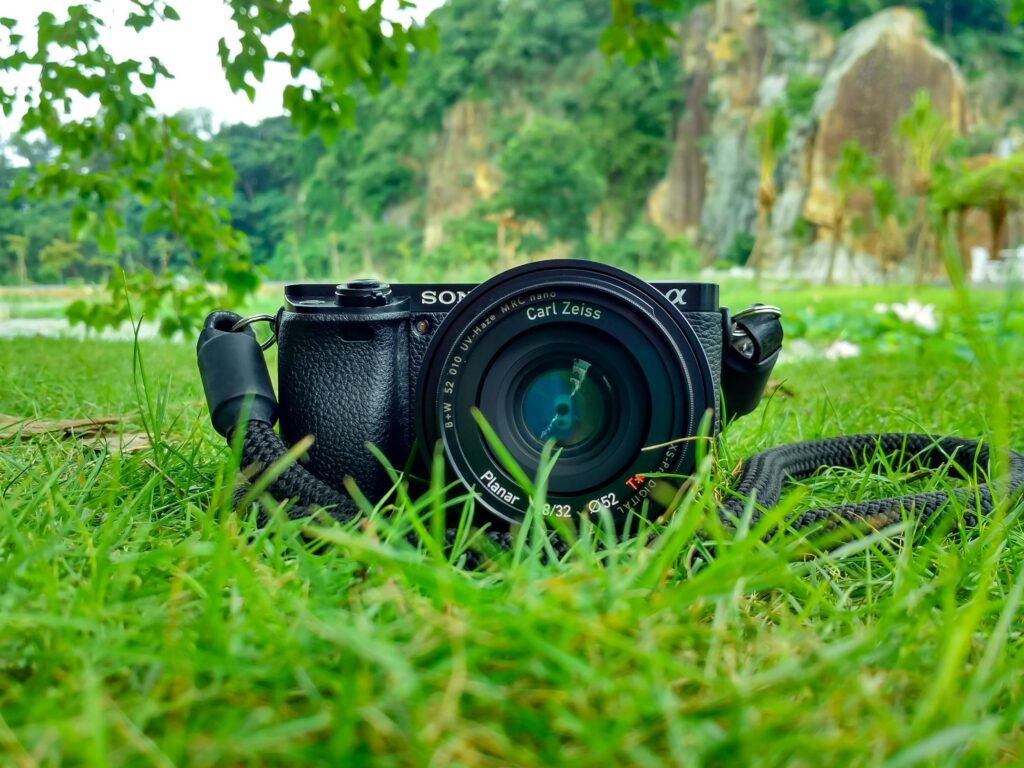
You’ll also want to think about frame rates for capturing action, and how many lens compatibility options a system offers to grow with your needs. Considering these points carefully will help you find a camera that truly lets you capture stunning images of our feathered friends.
Sensor Size Matters
Sensor size is a really important thing to think about when you’re choosing a camera for bird photography, and it can feel a little confusing at first. Full-frame sensors capture significantly more light, which means less noise when you’re shooting at higher ISOs during those beautiful dawn and dusk hours. However, APS-C and Micro Four Thirds sensors offer a “crop factor,” effectively increasing your zoom, birds appear closer!
I find larger sensors deliver cleaner images and better dynamic range, preserving those intricate feather details, especially in tricky lighting. Keep in mind though, bigger files mean slower processing and quicker storage fills when shooting bursts. Fortunately, larger sensors’ light-gathering ability can also help with faster readout speeds, minimizing blackout during flight tracking, and that’s a huge win.
Autofocus Speed & Accuracy
Because birds rarely hold still for a portrait, autofocus speed and accuracy are absolutely critical for capturing sharp images, and you’ll want a system that can really keep up. I recommend prioritizing cameras with deep-learning subject recognition, which means they can identify and lock onto those small, fast-moving birds, especially utilizing eye detection. You’ll need autofocus sensitivity down to at least -10 EV, so you don’t miss shots in the low light of dawn and dusk, when birds are most active.
Look for high burst rates, 12 to 20 frames per second, and a deep buffer, allowing you to capture entire flight sequences. Verify the AF coverage spans a wide area, nearly the full frame, for quick acquisition, even at the edges. Finally, confirm fast, reliable autofocus with your telephoto lens (300-600mm) by checking for minimal hunting.
Stabilization Is Key
If you’re panning with fast-moving birds, a stabilization system with a dedicated panning mode will reduce vertical shake, and that means sharper photos. Remember, telephoto lenses magnify everything, including your shaky hands, so robust stabilization is a must for a steady viewfinder and accurate focus.
Frame Rate Performance
Achieving sharp images while photographing birds in flight requires more than just a steady hand, and that’s where a camera’s frame rate really shines. I recommend looking for at least 10–15 frames per second (fps) to truly capture those fleeting wingbeats and exciting action. Don’t forget a deep buffer, though, shooting RAW files quickly fills memory, and cameras like the Canon EOS R7 (15 fps, 51 RAW) and Nikon Z6 II (14 fps, improved buffer) demonstrate this.
Focus tracking speed is indispensable, and the Nikon Z6 III’s improved detection down to −10 EV is a big step up. While mechanical shutters can limit speed, some, like the Fujifilm X-T5 and EOS R7, still hit 15 fps, but electronic shutters offer even faster bursts. Remember, a fast frame rate isn’t useful if your lens can’t keep up, so consider focusing performance too.
Lens Compatibility Options
When you’re picking a camera for bird photography, don’t overlook the lenses you’ll be able to use with it! You’ll need long telephoto lenses, ideally 150–600mm, and bright apertures like f/2.8 or f/4 to really freeze those fast-moving wings and beautifully blur the background. Don’t forget teleconverters, which extend your reach, but verify your camera maintains autofocus with them, many need an f/5.6 or brighter aperture for reliable performance.
I also check for autofocus motor support, like USD or STM, and stabilization, like IBIS, for sharp handheld shots. Confirm the mount accepts third-party lenses, and that autofocus and stabilization work seamlessly. Consider a minimum focus distance of around 2–3 meters for lovely environmental portraits, and look for good aberration correction and weather sealing, you’ll appreciate those features in the field!
Frequently Asked Questions
What Camera Settings Are Best for Capturing Birds in Flight?
I prioritize a fast shutter speed, 1/2000s or quicker, to freeze motion. I shoot in aperture priority, around f/5.6 or f/8 for sharpness. Auto ISO helps me maintain exposure, and I always use continuous autofocus with back-button focus.
How Do I Maintain and Clean My Bird Photography Equipment?
I regularly blow dust off my sensor and lenses with a blower, I wipe lenses with microfiber cloths, never directly!, and I clean my camera body with a damp cloth. Don’t forget rain covers and desiccant packs!
Is Image Stabilization in the Lens or Body More Important?
I find in-lens stabilization vital for birding, it stabilizes specifically for your focal length, offering more effective shake reduction than in-body systems. I wouldn’t compromise on a quality lens with IS.
What Are the Legalities of Bird Photography on Public Lands?
I find you generally can photograph birds on public lands, but it’s not always simple. I check specific park or refuge rules, some limit disturbance, nest proximity, or commercial use. I always prioritize the birds’ well-being and follow all regulations.
Can I Use Older Lenses With These Newer Camera Bodies?
Yes, I often use older lenses, adapters let me mount them to newer bodies, it’s a cost-effective way to get quality glass. Just make sure the adapter doesn’t introduce significant performance issues, and check compatibility first.