I understand you’re looking to attract more birds to your yard. It’s a common goal, and selecting the best bird seed is essential.
I’ve found that a diverse approach works best, though knowing which seeds appeal to different species can feel overwhelming. We’ll explore some top choices and what makes them effective, and consider what birds truly need from their food.
| Kaytee Nut & Fruit Wild Bird Seed 5 lb |  | Fruit & Nut Blend | Primary Bird: Songbirds | Weight/Volume: 5 lbs | Format: Blend | VIEW LATEST PRICE | Read Our Analysis |
| Kaytee Hummingbird ElectroNectar Wild Bird Food Ready to Use 64 Ounces |  | Ready-to-Use Nectar | Primary Bird: Hummingbirds | Weight/Volume: 64 oz | Format: Ready-to-use | VIEW LATEST PRICE | Read Our Analysis |
| Audubon Sunflower Hearts & Chips Wild Bird Food |  | Shell-Free Sunflower | Primary Bird: Finches | Weight/Volume: 5 lbs | Format: Hearts & Chips | VIEW LATEST PRICE | Read Our Analysis |
| Kaytee Wild Bird Seed Food 7 Pounds |  | Year-Round Favorite | Primary Bird: Cardinals | Weight/Volume: 7 lbs | Format: Blend | VIEW LATEST PRICE | Read Our Analysis |
| Kaytee Mealworms for Wild Birds 3.5 Ounce | 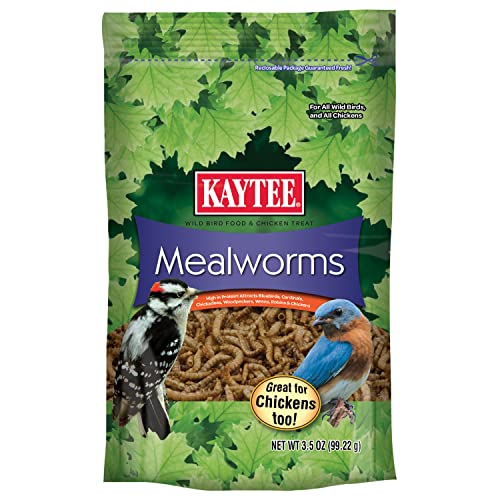 | High-Protein Treat | Primary Bird: Bluebirds | Weight/Volume: 3.5 oz | Format: Dried | VIEW LATEST PRICE | Read Our Analysis |
More Details on Our Top Picks
Kaytee Nut & Fruit Wild Bird Seed 5 lb
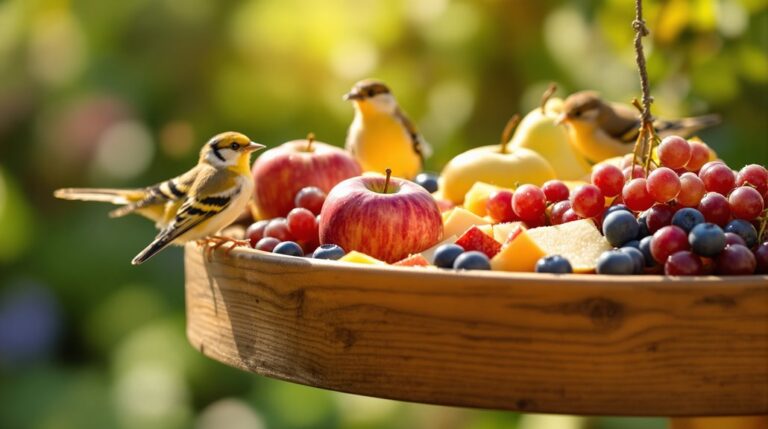
If you’re looking to attract a wider variety of birds, especially Cardinals, Chickadees, and Woodpeckers, Kaytee Nut & Fruit Wild Bird Seed is an excellent choice. I’ve found this 5lb blend really works, offering high energy with sunflower seeds, peanuts, and mixed nuts. It isn’t just filling, though, raisins and cherries give it a special appeal.
I use it in my backyard feeder and it consistently draws in favorites like Nuthatches, Grosbeaks, and Juncos. Kaytee expertly crafts this food, backed by over 150 years of experience. You’re getting a trusted, nutritious option when you choose this blend.
- Primary Bird:Songbirds
- Weight/Volume:5 lbs
- Format:Blend
- Protein Content:High
- Brand:Kaytee
- Made In:Not specified
- Additional Feature:Colorful songbirds
- Additional Feature:Fruit & nut blend
- Additional Feature:Over 150 years
Kaytee Hummingbird ElectroNectar Wild Bird Food Ready to Use 64 Ounces
For those wanting a quick and easy way to attract hummingbirds, Kaytee Hummingbird ElectroNectar is a fantastic choice because it’s ready to use right out of the bottle, you don’t need to bother with mixing sugar and water. I find this 64-ounce bottle incredibly convenient, it’s a naturally clear formula, designed to attract hummingbirds with feeder color, not added dyes.
Kaytee’s ElectroNectar doesn’t just feed them, it nourishes and hydrates these energetic birds. Importantly, I don’t add anything to it, just shake well before filling a clean feeder. Remember to refrigerate it after opening to maintain freshness. It’s proudly made in the USA.
- Primary Bird:Hummingbirds
- Weight/Volume:64 oz
- Format:Ready-to-use
- Protein Content:Low
- Brand:Kaytee
- Made In:USA
- Additional Feature:Naturally clear formula
- Additional Feature:No sugar added
- Additional Feature:Hydrates hummingbirds
Audubon Sunflower Hearts & Chips Wild Bird Food
Audubon Sunflower Hearts & Chips Wild Bird Food is an excellent choice if you’re looking to minimize mess and waste, while maximizing your bird-attracting potential. I appreciate that it’s 100% consumable, no shells mean no hulls to clean up and less wasted seed. This 5-pound bag attracts a wide variety of birds, including finches, chickadees, and nuthatches. I’ve found it works wonderfully in hopper, tube, and platform feeders. Knowing it’s American-made by a family-owned company also gives me peace of mind. It’s a convenient, clean option for feeding your feathered friends.
- Primary Bird:Finches
- Weight/Volume:5 lbs
- Format:Hearts & Chips
- Protein Content:Moderate
- Brand:Audubon
- Made In:USA
- Additional Feature:Shell-free/zero waste
- Additional Feature:American made
- Additional Feature:Multiple feeder types
Kaytee Wild Bird Seed Food 7 Pounds
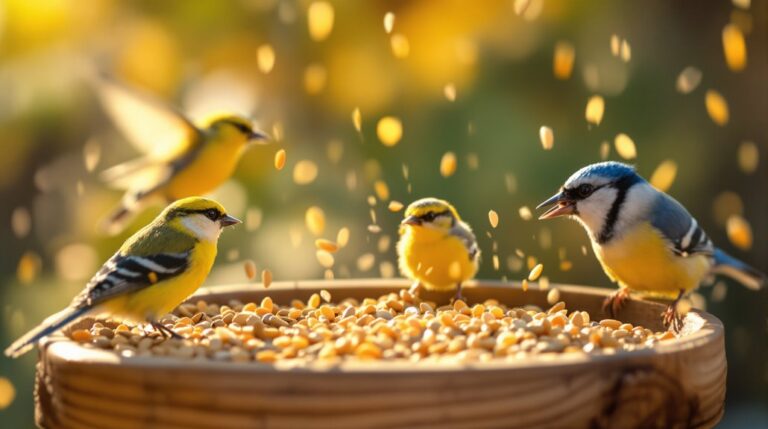
A thoughtfully crafted blend, Kaytee Wild Bird Seed Food is ideal for anyone hoping to transform their yard into a vibrant haven for colorful songbirds. I find it attracts a diverse crowd, including Cardinals, Chickadees, Finches, and even Jays. Kaytee combines two sunflower seed varieties, peanuts, and millet for a high-energy, nutritious meal.
I appreciate that Kaytee, a trusted brand for over 150 years, formulates this food with input from fellow bird enthusiasts. It’s a premium option designed for year-round feeding and keeps birds returning to your backyard oasis. You get seven pounds per bag, offering great value.
- Primary Bird:Cardinals
- Weight/Volume:7 lbs
- Format:Blend
- Protein Content:High
- Brand:Kaytee
- Made In:Not specified
- Additional Feature:Year-round use
- Additional Feature:Backyard oasis
- Additional Feature:Variety of species
Kaytee Mealworms for Wild Birds 3.5 Ounce
Looking to attract a wider variety of birds, especially those that don’t typically visit seed feeders? I recommend Kaytee Mealworms for Wild Birds. These 3.5 ounce packages offer a high-protein, high-energy treat that bluebirds, wrens, robins, chickadees, woodpeckers, and cardinals can’t resist, even chickens enjoy them! I find they’re especially helpful for feeding baby birds, providing essential nutrients.
You can feed these oven-dried, best quality mealworms alone in a dedicated feeder or mix them with your bird’s favorite seed. They’ll draw in species I couldn’t attract before, diversifying the visitors to my yard. Remember, they’re intended for wild bird consumption.
- Primary Bird:Bluebirds
- Weight/Volume:3.5 oz
- Format:Dried
- Protein Content:High
- Brand:Kaytee
- Made In:Not specified
- Additional Feature:Oven dried
- Additional Feature:High-protein source
- Additional Feature:Attracts baby birds
Factors to Consider When Choosing Bird Seed for Backyard Birds
I know you want to attract lots of birds, but simply buying a bag isn’t always enough, you’ve got to think like a bird! Different species have unique tastes, and a good seed choice considers not only what birds can eat, but also what they want to eat, alongside your feeder style. Let’s explore how bird preferences, regional species, nutritional needs, and blend variety all impact which seed will work best for your backyard.
I know you want to attract lots of birds, but simply buying a bag isn’t always enough, you’ve got to think like a bird! Different species have unique tastes, and a good seed choice considers not only what birds can eat, but also what they want to eat, alongside your feeder style. Let’s explore how bird preferences, regional species, nutritional needs, and blend variety all impact which seed will work best for your backyard.
Bird Preferences Matter
Wouldn’t you like to know what truly draws birds to your yard? It isn’t simply about scattering any seed, different birds have different tastes. I’ve learned Cardinals, Chickadees, and Nuthatches thrive on nuts and fruit, while hummingbirds need nectar – seed won’t cut it for them. I find offering high-energy options like sunflower seeds, peanuts, and dried fruit really boosts colorful songbird activity.
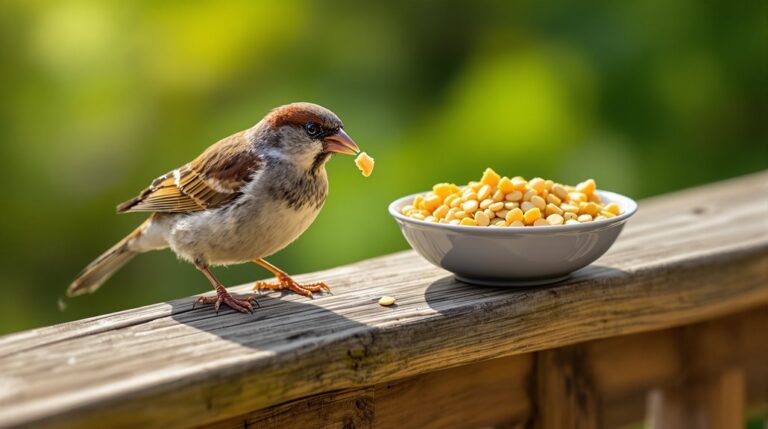
If I want to minimize mess, I use shell-free sunflower hearts and chips, which Finches, Sparrows, Titmice, and Nuthatches adore. For more challenging species like Bluebirds and Wrens, I’ve found high-protein mealworms irresistible. Don’t forget health, I always keep feeders clean and refrigerate opened nectar to prevent spoilage and guarantee they keep coming back.
Seed Blend Variety
I suggest offering multiple types in one blend to cut down on waste, if birds can find seeds they like, they won’t discard as much. For less mess, I choose blends with shelled or hulled seeds like sunflower hearts, these don’t leave piles of hulls below. Don’t forget high-energy additions, suet, peanuts, or dried fruit will give birds a critical boost, especially when it’s cold.
Feeder Type Compatibility
Knowing what seeds birds prefer is only part of the equation, you also need to factor in how they’re delivered. I’ve found certain seeds work best with specific feeder types. For example, I use hopper and platform feeders for larger blends – those containing sunflower seeds, peanuts, and various nuts. These feeders can handle the bulk.
If I’m using tube feeders, I stick to smaller seeds like shelled sunflower hearts and chips. This minimizes waste and prevents annoying clogs. Suet feeders are perfect for high-energy treats like mealworms, and sometimes I’ll mix seeds right into the suet. Don’t even think about putting dry seeds into hummingbird feeders, they need liquid nectar, already prepared.
Finally, platform feeders attract ground-feeding birds with millet or clinging species with peanuts.
Regional Bird Species
For instance, if I live in the eastern U.S., I’ll likely see Cardinals and Titmice, so seeds they enjoy should be prioritized. Out west, however, California Quail are far more common. While Chickadees and Nuthatches live across much of the country, their numbers vary locally.
Consider seasonal changes, too. I might attract Indigo Buntings only during the warmer months in the east. To discover exactly what birds I can expect, I consult state bird atlases and my local Audubon chapter, they offer detailed regional data. This research informs my seed selection.
Nutritional Needs Covered
Understanding which birds frequent your area is only part of the equation, providing the right fuel to keep them thriving requires attention to their nutritional needs. Songbirds need fats, proteins, and carbohydrates, and I’ve found sunflower seeds and peanuts deliver these exceptionally well. For a protein boost, especially during breeding season, I recommend oven-dried mealworms. They’re packed with essential amino acids, critical for nestlings’ growth.
If you attract hummingbirds, I focus on a sucrose solution, a 1:4 sugar-to-water ratio mimics natural nectar, and they really respond. I also like offering shell-free sunflower hearts and chips, birds get 100% consumable energy without wasted shells. During colder months, blends with peanuts and mixed nuts will help them maintain their energy reserves. Ultimately, I aim for a seed mix that supports their overall health.
Mess & Waste Level
Thankfully, suet, nectar, and mealworms are nearly waste-free – birds completely consume them. I try to avoid mixes heavy in millet and other grains, as birds often discard these, leading to wasted seed and hulls accumulating beneath feeders. This buildup isn’t just unsightly, it can foster mold growth and attract unwanted pests. Frequent feeder cleaning is essential if you choose messier options, but selecting cleaner seeds simplifies everything.
Budget Considerations
While attracting a variety of birds is rewarding, the cost can add up, so budgeting is an important part of choosing the right seed. I’ve found basic millet blends generally cost between $2 and $5 a pound, while premium mixes with sunflower and peanuts can reach $6 to $10. Don’t underestimate bulk buying, larger bags, 7 to 20 pounds, greatly lower the per-pound price and lessen how often I need to shop.
I also consider shell-free seeds, though pricier, they minimize waste and cleanup. Surprisingly, investing in high-fat, high-protein options like sunflower seeds and peanuts actually reduces overall costs because I need less to keep feeders busy. Finally, mealworms are great for specific birds, but I use them as a treat only, they’re too expensive for regular feeding.
Seasonal Bird Activity
Knowing how much seed costs is helpful, but birds’ needs aren’t constant throughout the year. I’ve found their diets change substantially with the seasons, so adjust your offerings accordingly. In winter, I provide high-fat seeds like sunflower and nuts, because birds need extra calories to stay warm.
As spring arrives, I switch to protein, mealworms become incredibly popular for nesting and raising young. Come fall, migrating birds stop by, and they’ll appreciate energy-rich sunflower seeds and peanuts for their journey. Don’t overfill feeders in summer, heat spoils seed quickly, and I offer smaller amounts more often.
Even year-round residents, like cardinals and chickadees, adapt. They’ll eat mostly seed in winter but enjoy variety when it’s warmer.
Frequently Asked Questions
How Often Should I Clean My Bird Feeders?
I clean my feeders at least once every two weeks, but more often during wet or humid weather. Don’t let old seed accumulate, it fosters harmful bacteria and discourages birds. I scrub them with hot, soapy water, then rinse thoroughly.
Is It Okay to Feed Birds Bread or Table Scraps?
I wouldn’t feed birds bread or table scraps, it lacks nutrition. You’ll fill them up without offering what they need, and it can even harm their health. Stick to proper birdseed, they’ll thank you!
What Predators Should I Protect Birds From?
I must protect birds from cats, hawks, and snakes, they’re constant threats. Squirrels aren’t predators, but they’ll steal food. I’ll use netting, baffles, and placement to keep everyone safe. Don’t forget windows, too.
How Can I Attract Birds Without Using Seed?
I’m finding birds love native plants, especially those with berries, you can also offer suet, nectar feeders for hummingbirds, or a consistent water source, they’ll flock to it. Don’t forget shelter, too.
Can Birds Get Sick From a Dirty Bird Feeder?
Yes, I worry birds can absolutely get sick from a dirty feeder, mold and bacteria thrive in old seed and droppings, spreading diseases like conjunctivitis or fungal infections. I clean mine regularly to help.