You can explore the Endangered Birds List and learn which species face the most pressure.
Parrots kept as pets, some seabirds, and island finches fight habitat loss and hunting.
Track their status with simple tools like field guides, local apps, and seasonal counts.
If you document sightings, you help researchers spot trends and guide conservation efforts.
The story stays hopeful when communities like ours pitch in, so join in.
Endangered Birds at a Glance
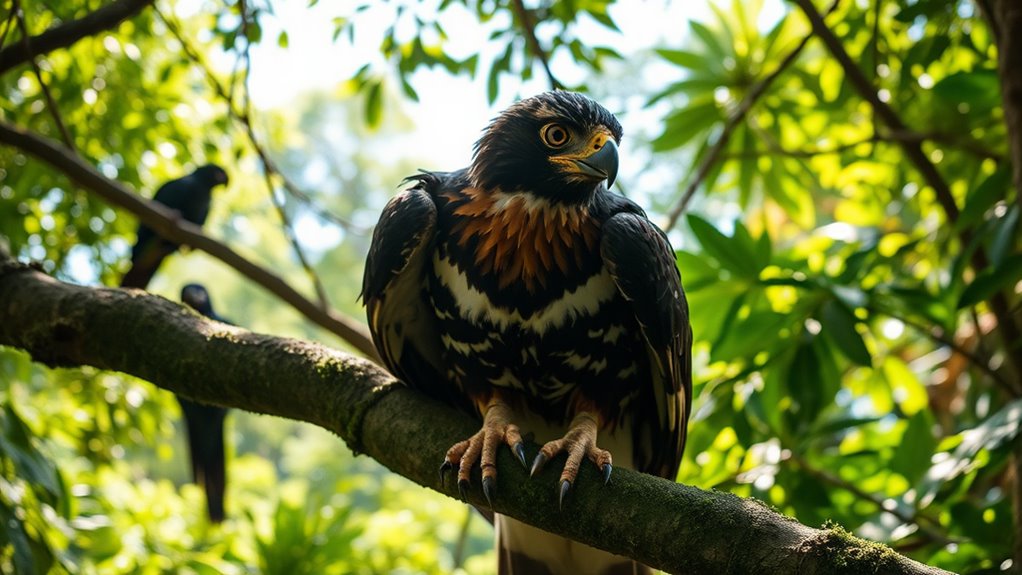
Endangered Birds at a Glance is your quick tour of birds that need our help right now. You’ll see how habitat loss and changing food or nesting spots push populations down. You may already notice these patterns in daily life, from backyards to parks. By watching population trends, you can help by supporting local conservation groups. Try citizen science apps, tidy up habitats, or spread the word with friends. These small actions feel doable, and they keep our feathered neighbors safer. Remember, every sighting you log helps researchers map trends and plan fixes. You belong in this effort. Using a sturdy tripod can improve your observation and documentation accuracy in the field. Capturing clear images of rare species benefits from cameras with fast continuous shooting to document behavior without disturbance.
Groups at Risk: Parrots, Seabirds, and Finches
From bright parrots to clever seabirds and tiny island finches, these groups need our help. You can learn, observe, and support by visiting local parks, joining citizen science, or choosing responsible wildlife souvenirs. Parrots face threats like the pet trade, which pushes many birds into cages or unsafe shipments, so you can support ethical rescues and accredited breeders. For seabirds, respect nesting sites and keep beaches clean, as clean habitats help protect seabird colonies. For finches, protect their habitats and avoid disturbing nests on islands. Talk with elders, share tips, and invite friends to explore conservation-friendly hobbies together. It feels easy when you start small today. A good way to contribute is by using a camera with APS-C sensor quality for documenting wildlife without disturbing them. Using a telephoto lens with optical image stabilization can significantly improve the clarity of distant bird photographs, especially in low-light conditions.
Regional Threats Driving Declines
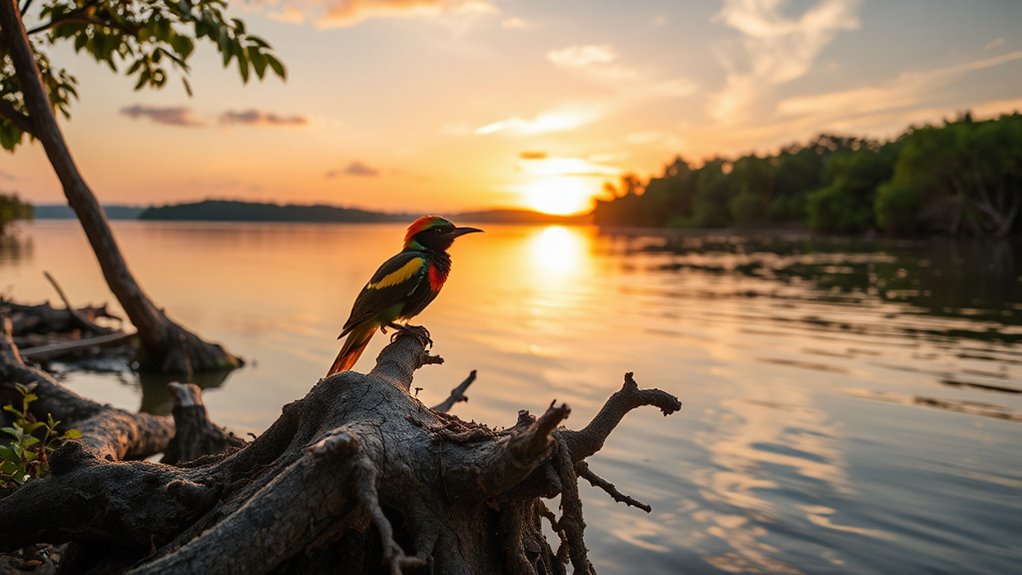
You’ll see how local threats shape bird declines across parrots, seabirds, and island finches. Habitat loss eats nesting sites, while hunting pressures push many species toward difficulty finding food and safe roosts. You can notice small changes, like fewer old trees or crowded beaches, and still enjoy watching from a safe distance. Simple steps help, such as keeping pets indoors during peak seasons, supporting habitat restoration projects, and reporting poachers calmly to authorities. By learning patterns, you gain skills and confidence, and your hobby becomes a friendly, hopeful act that helps birds survive. Keep curious, stay patient, and observe.
Conservation Spotlight: Wins, Gaps, and Next Steps
Sometimes the conservation spotlight shines with real wins that boost bird numbers. Progress shows up when communities start breeding programs and care about habitat restoration. Small steps matter: clean streams, safe nesting sites, and fewer predators near nests. When volunteers track bands, share updates, and celebrate fledglings, you feel a true sense of teamwork. Keep it simple with tips: visit local nature centers, join citizen science, plant native trees, and donate tools. With steady effort, wins grow, gaps shrink, and next steps become clear for every curious reader. Together we keep the hobby fun, hopeful, and rewarding.
Frequently Asked Questions
How Do Conservation Statuses Differ Across Bird Groups?
Conservation statuses differ across bird groups because of taxonomy and data quality; smaller, less-studied groups often show higher risk. Taxonomic differences and assessment biases can misrepresent threats, so you should consider species counts, population trends, and the level of monitoring when evaluating risk.
Which Regions Host the Most Endangered Birds?
Tropical forests and island ecosystems host the most endangered birds. Across rainforests, mangroves, and remote islands, habitat loss, invasive predators, and hurricanes are driving many species toward extinction.
How Can Captive Breeding Help Restoration?
Captive breeding supports restoration by rebuilding population numbers, preserving genetic diversity, and training birds for survival. You monitor genetic diversity to avoid inbreeding, address reintroduction challenges, and stage releases carefully to integrate with wild ecosystems.
What Are Successful Examples of Habitat Restoration?
Successful habitat restoration involves restoring wetlands through wetland creation and reviving forests through deliberate reforestation for forest recovery. It reestablishes native ecosystems, improves breeding habitats, and boosts bird survival through targeted, community-supported restoration projects.
What Role Do Invasive Species Play in Declines?
Invasive species contribute to declines through predator pressure and intensified competition, disrupting native birds’ nests and food sources. As a result, survivors struggle to raise young, fend off rivals, and adapt to altered habitats and climates.
Conclusion
You can explore the endangered birds list by visiting local parks, nature centers, and reputable online guides. Start with simple field notes, noting species, numbers, weather, and where you spotted them. Bring a small camera or phone to capture clear photos for later ID checks. Join citizen science groups or bird counts in your community, and share your data online. With patience, practice, and teamwork, you help protect parrots, seabirds, and finches for future generations. Remember to observe from a respectful distance and follow local guidelines to minimize disturbance.