What Birds Eat Black Oil Sunflower Seeds? lets find out.
You’ll find black oil sunflower seeds attract a variety of backyard birds, from bold cardinals to tiny finches, plus nuthatches, chickadees, and titmice.
They’re easy to crack and high in energy, so they stick around through cold snaps.
Put seeds in a tube or hopper feeder, keep it clean, and mix in millet for extra variety. Curious which feeder fits your yard best and which birds show up first?
Why Black Oil Sunflower Attracts Birds (Top Reasons at a Glance)

Because black oil sunflower seeds are packed with energy, birds quickly notice them at feeders. You’ll see a lineup of visitors, and your yard becomes a busy, friendly cafe. Seed preference matters because these seeds are easy to crack and full of flavor. They provide a reliable energy source on cold days, helping birds stay active and bold at your feeder. You can observe how many species switch from other seeds to black oil when the stock is fresh. Keep feeders clean, offer varied heights, and watch as chickadees, cardinals, and finches visit with bright chatter every day. For those hoping to photograph these frequent visitors, using a sturdy tripod can greatly improve the clarity and quality of your shots, especially during early morning or late afternoon light. Shell-free options like sunflower hearts & chips reduce mess and are 100% consumable, making them ideal for platform and tube feeders.
Birds That Prefer Black Oil Sunflower Seeds
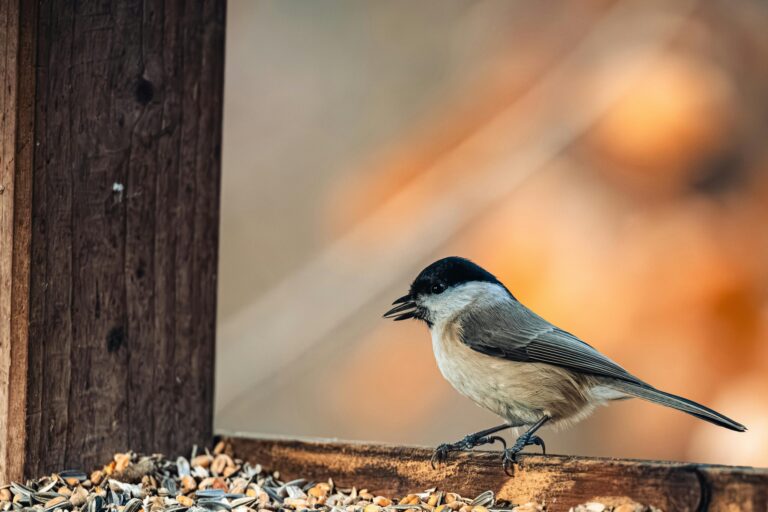
If you feed black oil sunflower seeds, you’ll quickly notice which birds come calling. You’ll see cardinals, titmice, chickadees and finches flocking to your feeder with energy and curiosity. Cardinal preference is clear when bright red birds perch, grab seeds, then soak up sun. Titmice favor black-oil sunflower seeds, so you’ll spot tiny tufted birds hopping between perches. Keep feeders stocked and clean, offer a mix of raised platforms for ground birds, and watch as dozens of visitors arrive. It’s easy, affordable, and a little social, so invite neighbors to enjoy the scene together on sunny days. Capturing these vibrant birds in sharp detail is easier with a camera featuring APS-C sensor quality, which provides excellent image resolution and low-light performance for beginner wildlife photographers. For fast-moving backyard activity, a camera with continuous autofocus ensures sharp focus on birds as they land and take flight.
Choose the Right Feeder for Black Oil Sunflower Seeds

Choose a feeder that fits your space and the birds you want to attract. For black oil sunflower seeds, consider feeder types that suit your yard: a tube feeder works well for small songbirds, while a hopper feeder attracts larger visitors.
Think about capacity size so you don’t run out; a moderate size suits most yards. If squirrels are a concern, pick a model with a built-in perch or a locking lid. For cleaning, choose smooth surfaces and spill-proof designs. Use black oil sunflower seeds as the base of your seed mix, and rotate with millet or safflower to add variety. With practice, you’ll discover what your feathered friends love.
Seasonal Attractiveness of Black Oil Sunflower Seeds
As seasons change, black oil sunflower seeds keep birds happy and coming back for more. You’ll notice winter feeding gives extra energy to cardinals and chickadees, and many birds stay nearby when the weather turns cold. Around migration patterns, you’ll see more birds stop by as they pass through, making your yard a busy, friendly stop. These seeds attract a variety, from nuthatches to finches, because the shells crack easily and the fat content boosts stamina. Keep a stocked feeder, check seed quality, and mix in millet for ground feeders to widen your guest list for more seasonal enjoyment.
Cleaning and Mess Management With Black Oil Sunflower Seeds
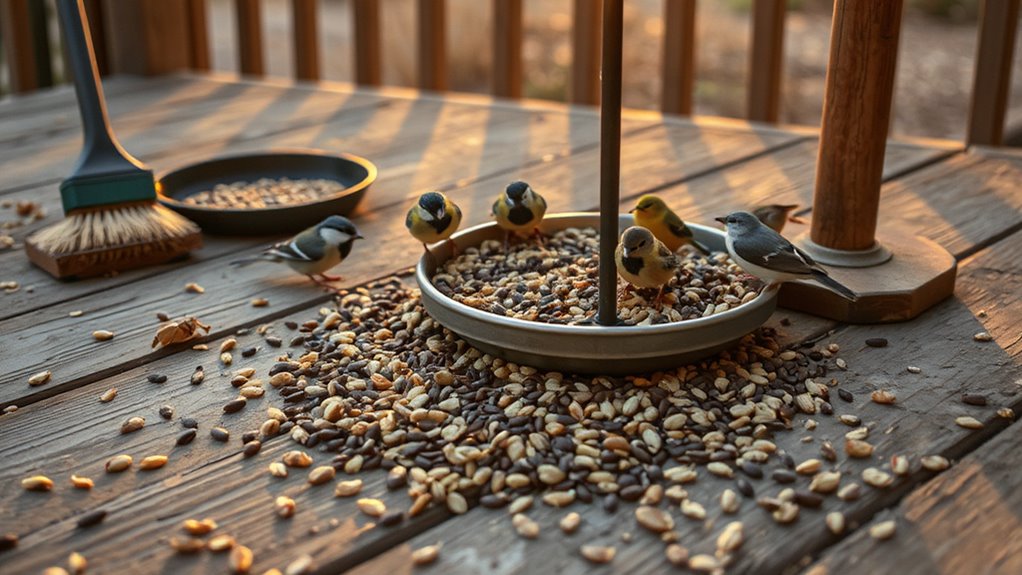
Keeping your feeding area tidy is easy when you plan ahead and clean regularly. Start with a simple tray or mat under the feeder to catch seed hulls and shells. Choose a feeder design that minimizes waste, like a tray catcher, and clean it weekly with a damp cloth. Sweep or vacuum spills outside and rinse chairs or platforms so seeds stay fresh and birds stay healthy. Seed hulls are normal, but regular cleaning keeps the area neat, prevents pests, and encourages repeat visits. If you worry about mess, use a feeder design with a hood or wipeable surfaces.
Mixes and Alternatives to Maximize Black Oil Sunflower Seed Attraction
Now that you’ve got the mess under control, you can mix things up to boost visits to black oil sunflower seeds. Try seed blends that combine black oil sunflowers with safflower or millet for broader appeal, but keep the focus on black oil sunflowers. You’ll see more visitors when you offer a small variety at different heights, and you can adjust based on what shows up. For a friendly deterrent, try squirrel solutions like feeders with dividers, or storing shelled seeds in separate dishes to reduce stampedes. Keep it simple, rotate flavors weekly, and watch birds switch preferences, turning feeding into an ongoing adventure.
Frequently Asked Questions
How Long Do Black Oil Sunflower Seeds Stay Fresh?
Black oil sunflower seeds stay fresh for about 6 to 12 months when stored properly. Keep them in a dry, airtight container, away from heat and direct sunlight. Check the package date, and refrigerate or freeze for longer storage if desired.
Do Seeds Affect Bird Health or Vitamin Balance?
Yes, seeds can affect health: seed nutrition supports energy and immune function, but an imbalanced diet can lead to vitamin deficiencies. Feed a variety of seeds, provide fresh, clean seeds, and monitor birds for changes to prevent deficiencies and malnutrition.
Which Predators Threaten Feeders Using These Seeds?
Yes, hawks and squirrels threaten your feeders. Hawks circle, dive, and target exposed feeders, especially when seeds lure ground-foragers. Squirrels scamper up poles, strip ports, and commandeer seed trays.
Do Non-Bird Wildlife Frequent These Feeders?
Yes. Non-bird wildlife, especially squirrels and chipmunks, frequently visit these feeders to raid seeds and kernels. You may notice tracks, droppings, and chewed shells. To reduce visits, consider safflower or feeder designs that deter mammals.
Is There Regional Variation in Seed Preferences Among Species?
Yes, regional variation exists. You’ll notice different seeds preferred along migration routes and wintering grounds due to local species, food availability, and competition, so your feeder attracts a broader mix when you tailor offerings regionally.
Conclusion
You can start a simple bird-watching habit with black oil sunflower seeds, and it instantly makes your yard livelier. Keep a clean feeder, refill often, and mix in a few backup treats like millet for variety. Watch cardinals, chickadees, and finches swoop in, then chat with friends about the fun you had counting visits. With the right feeder and snacks, you’ll build a friendly, thriving backyard flock that loves winter and welcomes new species.