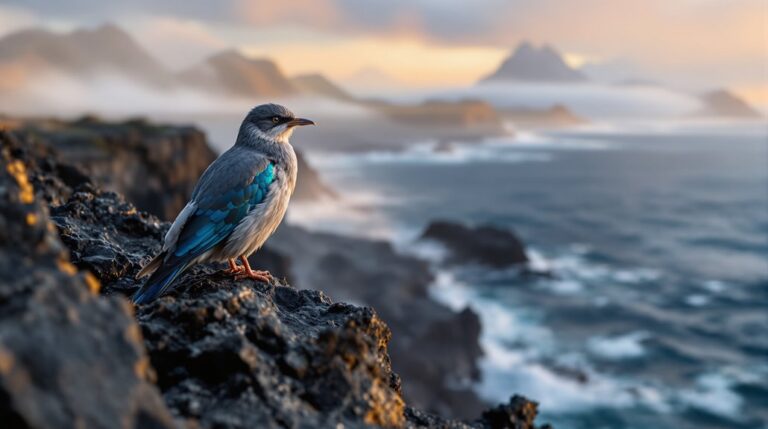
Bird Population Decline, You might be surprised to learn that around 60 percent of bird species are shrinking, and climate change, habitat loss, and pesticides push many toward danger.
You’ll see fewer warblers in your yard as forests shrink and insects fall, while hotter summers push birds to adapt or migrate earlier.
By protecting local habitats, choosing less pesticide use, and sharing sightings, you can help, and there’s plenty more to explore as the story unfolds.
Why Bird Populations Are Declining (Key Facts at a Glance)
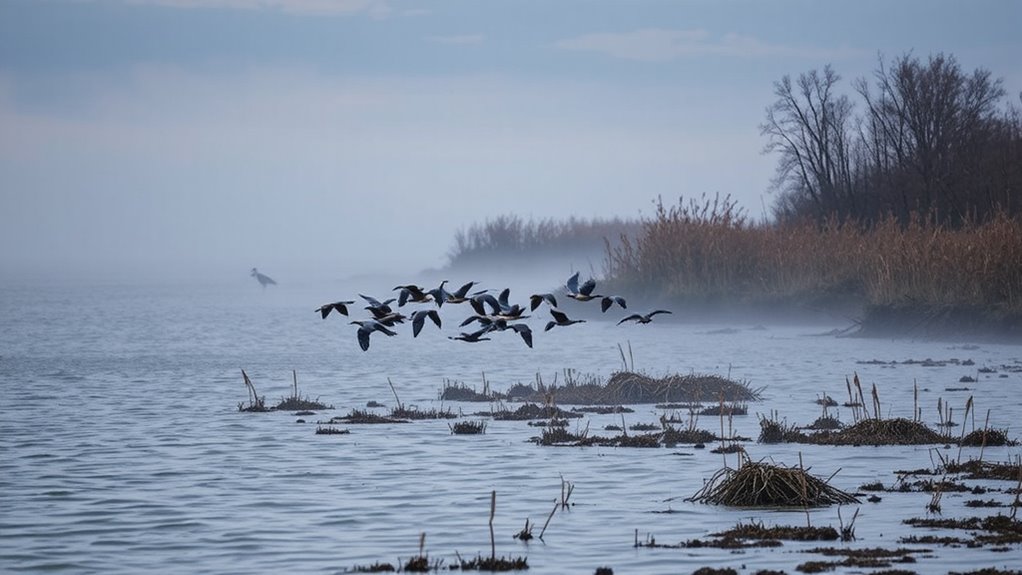
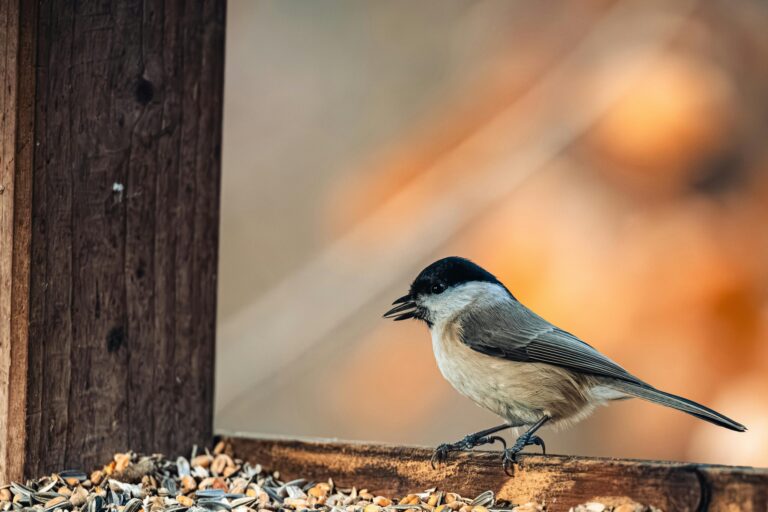
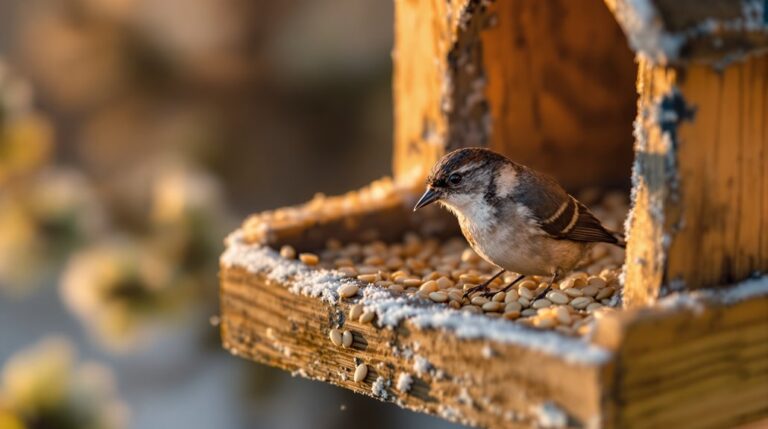
You may be surprised to learn that most birds are actually losing ground worldwide. Pesticide use and cat predation are key factors, but small actions help endangered songbirds. You can put up bird-friendly feeders, plant native shrubs, and mark windows so birds avoid collisions. Check your garden for safe pesticides and offer nesting sites in box trees or brush piles. If you see many birds disappearing, it might be time to join a local citizen science effort. Tiny steps add up, and regular sunlight, water, and reliable food sources keep neighborhoods lively. Using a sturdy tripod or monopod can improve your ability to observe and document local bird populations consistently over time. Share what works with friends today. Offering shell-free sunflower hearts can reduce waste and prevent mold growth in feeders.
Global Trends in Bird Declines
Globally, many birds are in decline, with about 61% of species decreasing and many facing trouble.
You can observe global trends through your backyard birdwatching.
Species vulnerability varies, and migratory patterns shift across regions.
Studying seasonal routes helps you protect stopover sites, water sources, and nesting areas.
You can join citizen science apps to log sightings and track changes together.
By learning about habitats, you can decide which trees to plant and where to water.
Global trends are hopeful when communities act, protect habitats, and reduce heat stress.
Keep curiosity high, share findings with friends, and keep birding fun and easy.
Using high-resolution cameras with 40.2-megapixel sensor capability allows for detailed documentation of bird species, aiding in identification and conservation efforts.
Using binoculars with BAK4 prisms enhances image clarity for more accurate bird identification in varying light conditions.
The Main Causes Behind Bird Declines
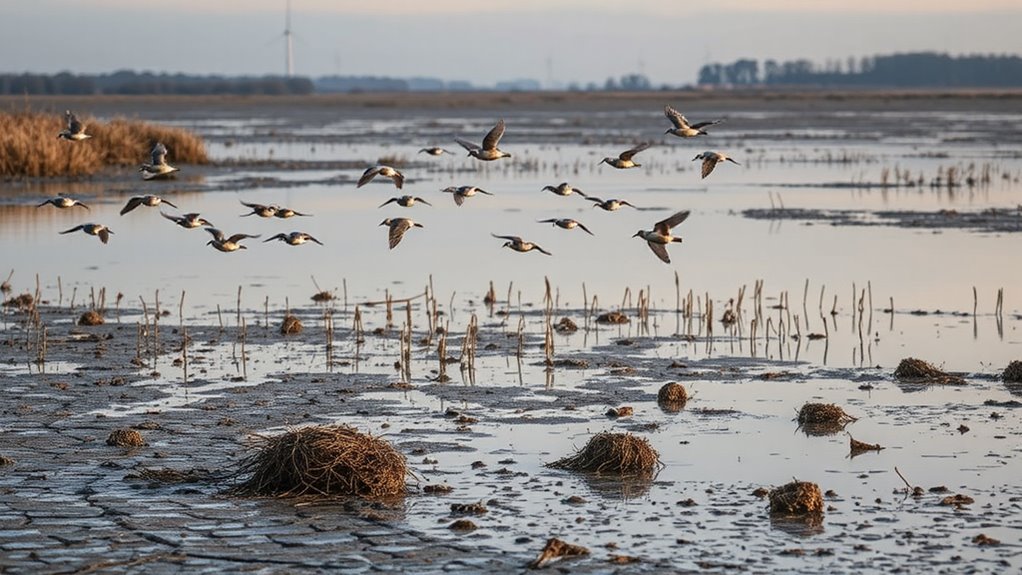
Habitat loss is a major backdrop, and it happens when forests are cleared or farms expand. Birds lose home ranges, food sources, and quiet nesting sites, so their numbers decline. The main culprits include pesticide effects, which reduce insects and contaminate water, making feeding harder for chicks. Cat predation adds danger in yards and neighborhoods, especially for ground-nesting species. Habitat restoration helps, so you can plant native shrubs, reduce pesticide use, and keep cats indoors when birds are nesting. Simple actions create safer spaces, helping birds thrive and making your outdoor time more rewarding for everyone.
Climate Change and Extreme Heat: Impacts on Birds
Even as temperatures rise, birds adapt in surprising ways, and you can help with simple actions. When heat hits, you might notice longer mornings at feeders and birds changing singing times. This is heat adaptation in action, not panic, and it helps species shift toward cooler zones. You can help by offering shade, clean water, and native plants that provide insects and seeds. Learn daily patterns, watch for safe resting sites during heat waves, and share tips with neighbors. Heat adaptation may involve birds moving, but you provide real help by planting trees and reducing pesticides today.
How Habitat Loss Is Driving Bird Declines

When birds lose their homes, their numbers can fall, and that hurts us all. Habitat loss happens when forests are cleared for farming or converted into cities, pushing birds into crowded suburbs. Forest conversion and urban sprawl reduce feeding spots, nesting sites, and cover from predators, so many species struggle to raise young. You can help by planting native trees, keeping cats indoors, and supporting parks that protect wild spaces. Join local bird walks, learn the songs, and share tips with friends. Small actions add up to safer habitats for birds. Together we can.
Regional Impacts: North America to the Tropics
From North America’s forests to tropical rainforests, birds face tougher days, but we can help. You can spot shy warblers at your feeder and learn how migration patterns shape when they pass. In the south, species shifts push birds to new routes, while in the north, timing changes shift breeding. You can help by planting native berries, providing water, and keeping cats indoors during peak migration. These small steps support habitat and let kids learn science while enjoying birdwatching with friends. Remember to join local citizen-science projects, note arrival dates, and share sightings to track trends. Together, we learn.
Why Declining Birds Matter to People
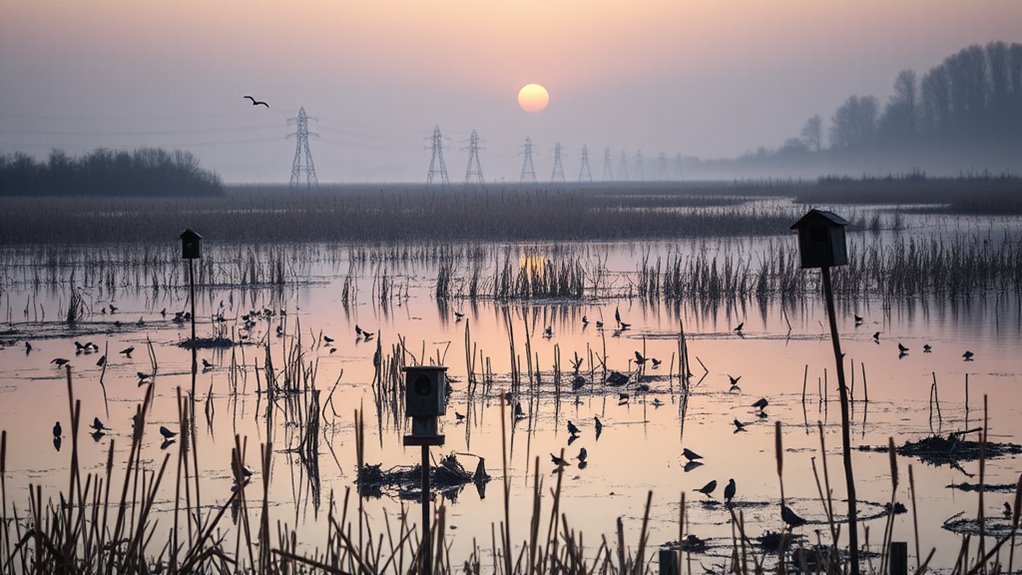
Seeing fewer bright songbirds in your yard shows how declines touch everyday life at home. When birds are fewer, you notice fewer pollinators, less pest control, and smaller seed dispersal in gardens. That means you might spend more time dealing with bugs or buying products, which affects your wallet and mood. But taking action is easy and enjoyable, and it boosts ecosystem services that people rely on every day. Healthy bird life supports public health by keeping pests down and helping ecosystems recover after storms. You can start small with a feeder, native plants, and safe yard habits today.
How You Can Help Birds: Practical Actions
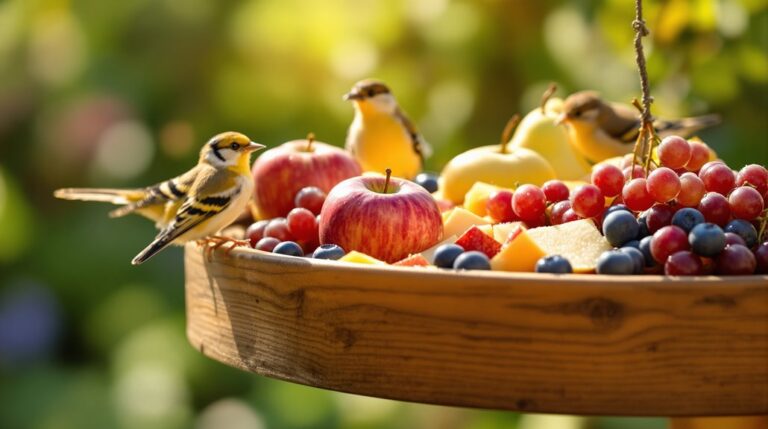
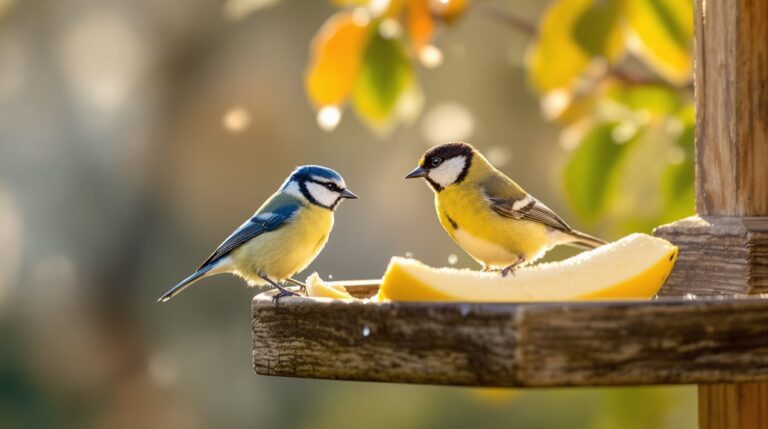
If you want to help birds, start small and make a big impact. You can begin by putting up bird feeders in safe spots, away from predators, and near trees. Keep things simple, clean, and regular, and you’ll see more visits, songs, and quick wings. Controlling outdoor cats matters, so limit outdoor access with humane collars, leashing, or keeping cats indoors. Plant native flowers, provide shallow water, and avoid pesticides that harm birds and their insect meals. Join community efforts, report large predation, and share tips with friends to make bird watching a friendly hobby. Practice patience and have fun helping birds thrive.
Frequently Asked Questions
What Defines a “Red-Alert” Bird Species?
Red-alert birds are species facing imminent extinction risk, with critically low populations and severe conservation status. They warrant high priority, urgent actions, close monitoring, and strong protection to halt declines and prevent extinction in the wild.
Do Bird Declines Affect Insect Control and Crops?
Yes, declines in bird populations can lead to more pest outbreaks and reduced pollination services, posing risks to crops. Birds help control insect pests by eating them; without them, farmers may rely more on pesticides, face higher crop losses, and experience disrupted pollination.
Can Birds Adapt to Heat Without Habitat Changes?
Yes, they can adapt, but only within physiological limits and with behavioral shifts. You’ll see tighter breeding windows, later migrations, and altered activity. Without habitat changes, their heat tolerance remains constrained, and declines will continue across their range.
Which Regions Show the Fastest Recovery Potential?
Coastal wetlands and grasslands show the fastest recovery potential. Protect wetlands, plant diverse grasses, restore hydrology, reduce threats, and monitor progress to sustain rapid, resilient rebounds for birds across at-risk habitats.
How Do Citizen Science Projects Measure Population Trends?
Population trends are measured by analyzing standardized sightings from citizen-science projects, correcting for data accuracy and volunteer bias, using repeated counts and broad geographic coverage, and validating findings with expert datasets to detect reliable trends over time.
Conclusion
Birds are important neighbors in our yards, and helping them matters as populations face decline. You can start by providing fresh water, planting native trees and shrubs, and avoiding harsh pesticides because tiny insects matter for food. Keep cats indoors during the day and place safe, well-spaced feeders to give birds reliable meals. Learn the signs of stressed habitats, such as fewer songbirds or unusual species appearances, and join local cleanup and habitat-improvement efforts to protect places they live. Small, everyday actions add up to healthier skies for birds and people alike.