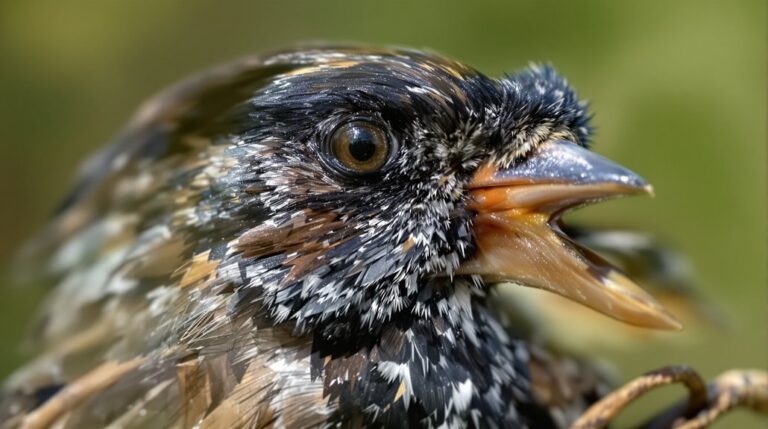
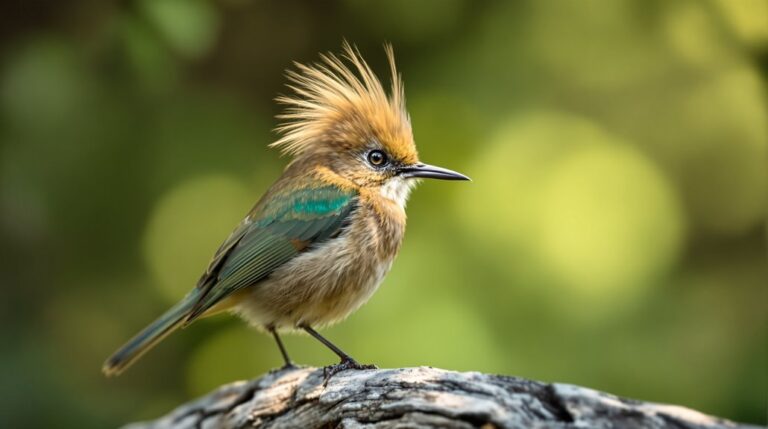
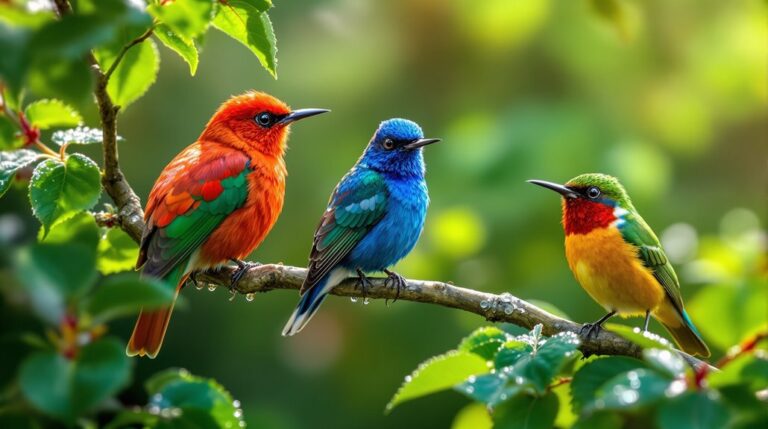
If you’re curious about Birds of Eastern United States, you’re in for a ride.
You’ll notice color, shape, and size matter, so start simple with common robins and cardinals.
Keep photos handy and compare wing bars, tail shapes, and bill length to guide yourself.
Seasonal maps show where birds go, and backyard habits help you spot them faster.
If you stay curious, you may uncover surprises waiting beyond your fence, so keep watching.
Which Birds Should I Look for in the Eastern U.S.?

If you want a fun, doable hobby, start by spotting friendly birds in the Eastern U.S. You can see robins, cardinals, wrens, and sparrows in your yard, parks, or on simple strolls. These common birds welcome beginners and offer quick hints for ID. Keep an eye on nearby birding hotspots, where beginners share sightings and tips. Notice seasonal visitors like goldfinches during migration, and plan short trips. Carry a simple field guide or phone app, listen for songs, and mark favorite spots. With visits and practice, you’ll gain confidence, and your backyard becomes a tiny nature classroom for all. For sharper images when photographing these birds, use a fast shutter speed to freeze motion and capture clear details. Using a camera with strong autofocus performance can significantly improve your success in tracking fast-moving birds.
Key ID Features for Eastern Birds (Color, Shape, Size)
When you look for birds, focus on color, shape, and size to ID them quickly. You’ll notice plumage patterns and structural details that separate similar species, even if they’re small. Color tells you if a warbler is bright yellow or olive, while shape hints whether a sparrow is chunky or slender. Size matters when comparing bold jays to tiny wrens, and it helps with distance spotting. Use field marks like wing bars or eyebrow stripes as practical clues, and match them with local habits. With practice, this simple approach becomes a fun, confident way to explore nature around you. For photographers, pairing these ID skills with a lens offering strong optical image stabilization can significantly improve success in capturing clear images of fast-moving or distant birds. A quality pair of binoculars with BAK4 prisms delivers sharper images and better contrast, enhancing your ability to detect subtle field marks in varying light conditions.
Common Wrens, Mockingbirds, and Sparrows East of the Rockies

You’ll notice wrens, mockingbirds, and sparrows everywhere from the plains to the Appalachians. In this region, common wrens flaunt brown backs and bright bellies, while mockingbirds show long tails. You’ll hear Wren songs echoing from hedges, and you’ll notice Mockingbird mimicry copying neighbors, car alarms, and cicadas with surprising skill. Sparrows stay small and cheerful, easy to spot in yards, feeding seeds or chasing insects. Practice by listening for songs, checking field marks, and using a simple guide to confirm IDs. Start with a friendly glance, then note size and color, and soon you’ll enjoy birding with friends today.
Read Eastern Bird Maps: Seasonal Ranges and Migrations
Reading eastern bird maps helps you track when and where birds show up. You’ll see how bird ranges shift with seasons, and you’ll spot patterns in migration over the year. Maps highlight summer treasures, winter visitors, and surprising vagrants, so you can plan weekend birding trips. Start small by checking a single state map, then compare neighboring areas to spot trends. Use basic notes to log dates you spotted certain species, helping you build a personal atlas of bird ranges and movements. With practice, maps become a friendly guide you trust and enjoy on every chosen birding day.
Use Photos to ID Eastern Birds Quickly
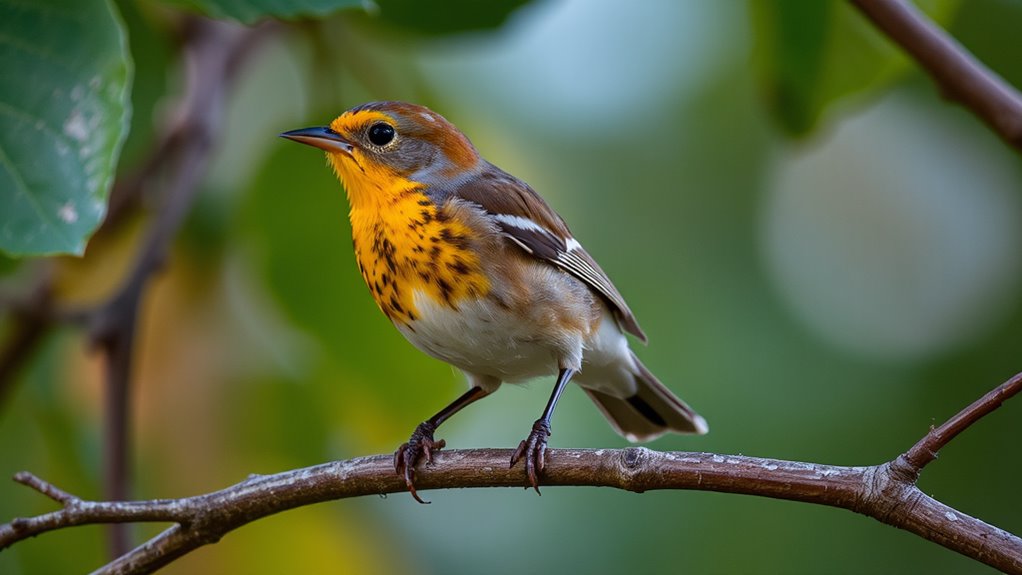
Photos help you ID Eastern birds quickly. When you snap quick shots, look for lighting that brings out color and shape. Good composition matters: keep the bird visible against a simple background or centered in the frame. Capture size, tail, and beak angles, then compare field marks later. Practice with easy targets like cardinals or wrens at feeders. Use burst mode modestly, and steady your hand for crisp images. A simple photo journal also helps you review colors, patterns, and behavior. Soon you’ll ID birds quickly, guided by lighting and composition. Happy birding ahead.
Practical Tips for Photographing Eastern Birds in Yards and Woodlands
Even beginners can photograph Eastern birds in yards and woodlands with simple steps. Start by watching feeders and quiet corners, then set your camera to burst mode to catch quick movements.
For light, shoot in the mornings or late afternoons when the sun is soft, and avoid harsh midday glare that can wash out colors. Check your composition by placing the bird off center, include leaves or branches for depth, and keep a steady stance. Practice patience, stay calm, and share your photos when the birds finally pose. It feels rewarding.
Frequently Asked Questions
Which Bird Songs Indicate Breeding Territories in Spring?
Spring breeding signals include more complex and escalating songs that mark a territory, along with territorial defense calls and night-time choruses. You’ll hear phrases, rapid notes, and spaced notes that signal you’ve entered a defended area.
Do Juvenile Birds Resemble Adults in Eastern Regions?
Often yes, but not always; juveniles often resemble adults less in plumage and pattern, especially during molts. In eastern regions, plumage variation and molting schedules shape how closely youngsters resemble their adult relatives at times.
Are There Odd Color Morphs in Eastern Wrens or Sparrows?
Yes, leucistic wrens and melanistic sparrows are not uncommon; you may notice pale, reduced pigmentation in wrens or dark plumage in sparrows, showing that color morphs appear irregularly across eastern habitats.
What Medium-Distance Dispersal Patterns Affect Local Species Abundance?
Medium-distance dispersal patterns arise from wind-driven seed movement and seed predation, shaping where birds disperse seeds. Local abundance is driven by habitat patch quality, food availability, and movement constraints, with wind and predator pressures jointly modulating the outcomes.
How to Distinguish Mimicry From Confusion With Similar Species?
To distinguish mimicry from confusion, listen for vocal-learning patterns and observe behavior: mimics imitate a wide range of sounds from others, while confusing species tend to have locally typical calls and distinct movements.
Conclusion
You can start today by watching your backyard trees for simple, colorful clues. Observe shape, size, and tiny wing bars, then check field marks on a card. Take quick photos with a camera or phone and compare maps for migration hints. Spot robins in spring, wrens in our yards, and sparrows in brush, and share tips. These small steps make birding easy, social, and deeply rewarding, so keep at it. You’ll build memories and friendships outdoors.