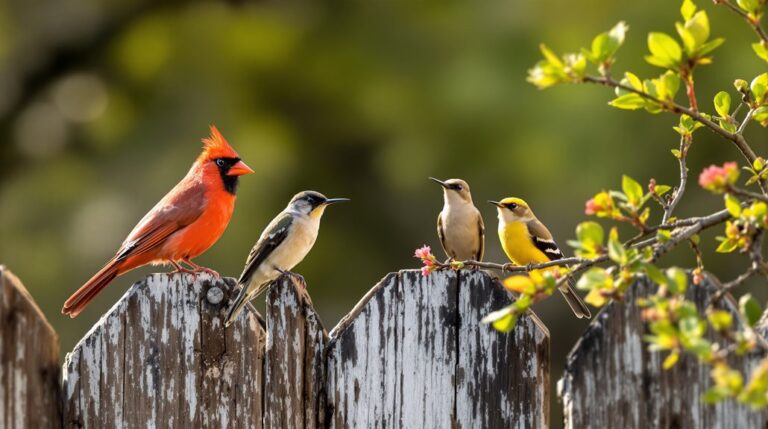
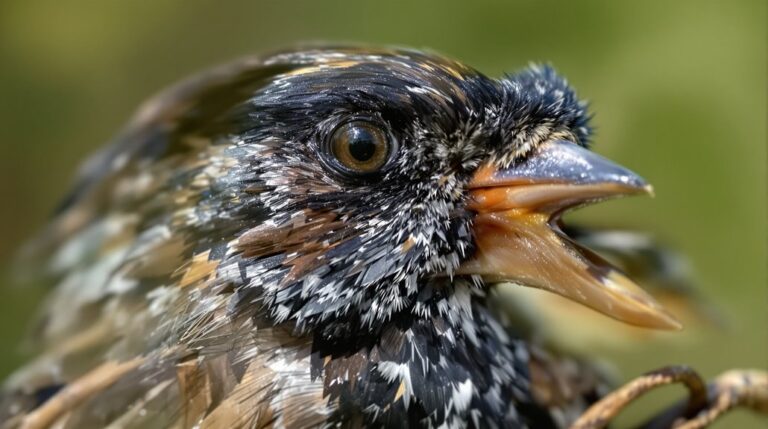
In Crested Birds of North America, you can spot crest traits at a feeder by looking at shape, angle, and color, and you’ll notice small details matter.
Picture a Cardinal with a tall round crest, or a Blue Jay with a spiky crown, while Chickadees keep it neat.
Try a quick photo check as you watch, noting feather texture and posture, then compare size and contrast to guess species.
Curious to test these tips at your next visit, right?
What Is a Crest in North American Birds?
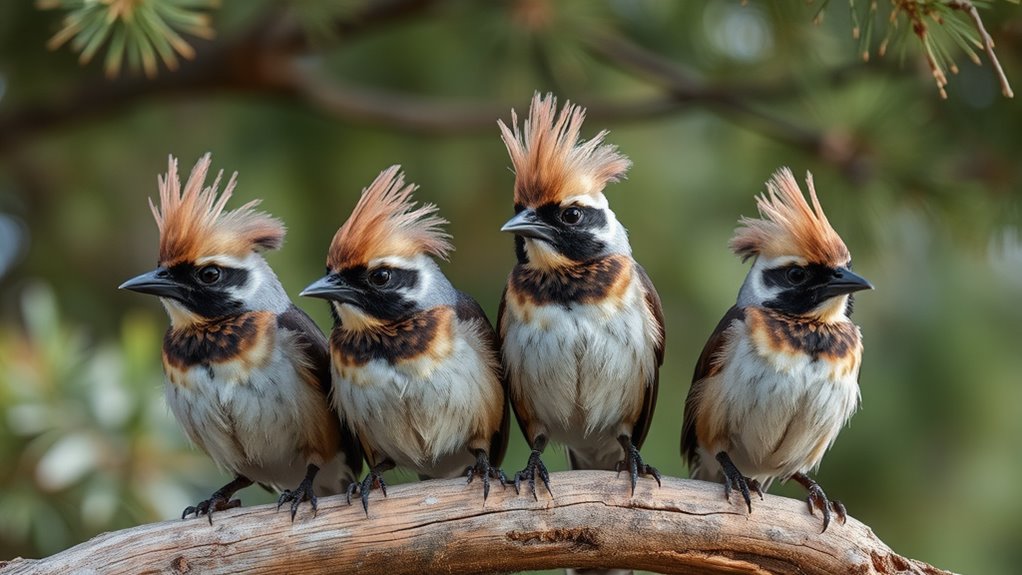
Think of a crest as a tuft of feathers that lifts up when a bird is excited. You can see this feature on many North American species, and it quickly signals mood. In daily behavior, the crest often helps birds communicate with neighbors or deter rivals, smoothing social encounters. You might notice it when a cardinal fans its crown or a blue jay raises its top plume. The feather arrangement behind the look is key, with stiff shafts and grouped plumes forming a compact, gravity-resistant hood. Understanding these details makes birdwatching more enjoyable and precise today. A sturdy tripod is essential for getting sharp, close-up images of crested birds, especially when using long telephoto lenses. Cardinals, which prominently display crests, are especially attracted to feeders offering sunflower seeds, peanuts, and mixed nuts.
Common Crested Birds at Backyard Feeders
If you’re curious about crested birds at your feeder, you’re in for a treat. In your backyard you’ll notice how often these crested visitors arrive, and you can track feeder frequency with a simple notebook. Crest displays come in easy-to-read shows, from a shy lift of the crown to a bold puff, making each visit feel like a mini show. You might see cardinals, blue jays, or chickadees flash their crests, then settle to eat seeds, berries, or suet. Keep a comfy perch nearby, offer a variety of foods, and enjoy the simple drama of neighbors visiting your yard each day. Capturing these lively moments is easier with a camera featuring animal detection autofocus for sharp, well-timed shots. For extended shooting sessions, consider using a lens with weather-resistant construction to protect your gear from unexpected rain or humidity.
Distinguishing Cardinal Crests From Blue Jay Crests
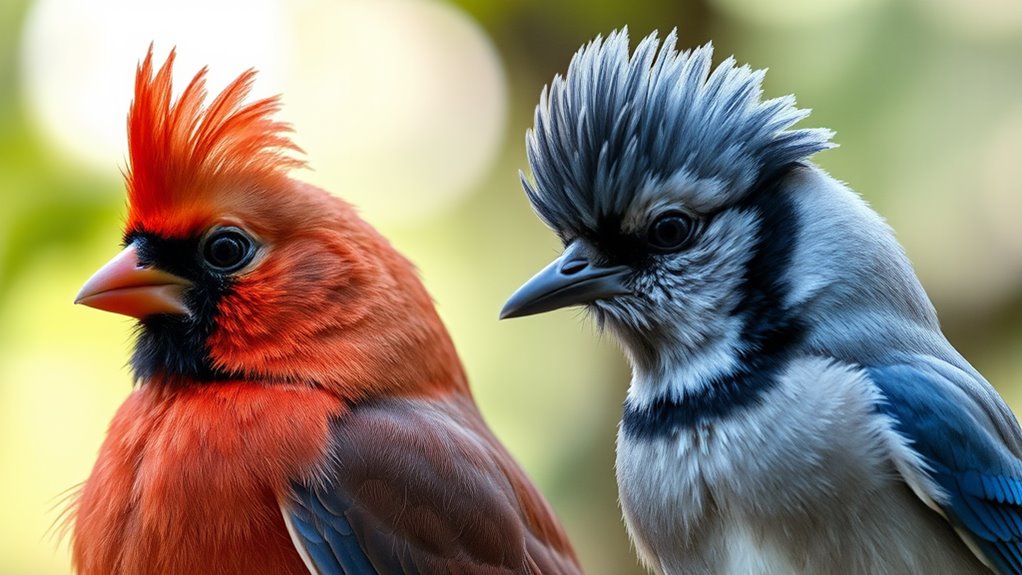
To tell cardinal crests from blue jay crests, watch shape, color, and attitude at the feeder. Cardinal crests sit tall and round when the bird is alert, while blue jays’ crests spike and spread when excited. Notice crest shape as a quick clue you can use at the feeder, with bold colors helping separate the species. Think about crest function too, how the birds raise or flatten their crowns to signal mood or stay warm. With practice, you’ll read posture, color patterns, and even tiny feather flicks, turning backyard watching into a fun habit. You’ve got this, friend.
Practical Photo-ID Tips for Crest Birds
Great crest photo tips start with noticing when the bird looks alert and proud. Set up where the bird feels safe, and move slowly to avoid chasing it away. Look for crest angles that show how the plume stands tall, and watch feather texture as light catches each feather. Use a simple background, like a bare branch, so crests pop. Take wide and close shots, then compare colors without stressing. Keep sessions short, be patient, and talk yourself through what you notice. With practice, Crest birds become friendly subjects you enjoy photographing in daily life.
Quick Reference: Key Traits to ID at a Glance
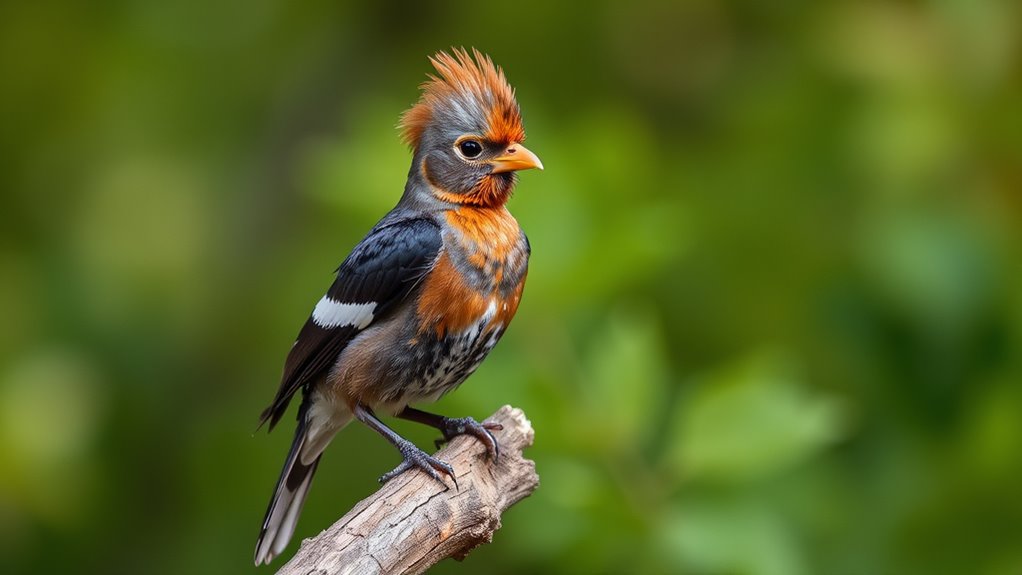
Crested birds reveal easy clues you can spot in the field, from size and color to feather shape. You can judge size by comparing body length, wingspan, and crest height, and you’ll notice color contrasts that stand out in light. Think about crest function when you see a raised plume; it signals mood and helps communication. Plumage variation guides species identification, from solid reds to blue and white patterns. Note key traits quickly, such as a bright beak or bold eye stripe, and practice in backyards, feeders, and woods. You’ll grow confident spotting crests in minutes.
Frequently Asked Questions
Do Crests Differ Seasonally in Size or Shape?
Yes, crests can vary in size and shape as feathers molt and regrow. Molting and hormonal changes influence crest prominence, especially during breeding displays, cold-weather insulation, and after-molt feather wear.
Can Crests Indicate Age or Sex in North American Birds?
In North American birds, crests may hint at age or sex in some species, but not universally. Juvenile plumage and crest development differ: juveniles often have duller crests, while adults may show brighter or more pronounced crests. Consider behavior and overall size as well.
How Do Crests Affect Bird Behavior or Display?
Crests influence display and social interactions: flashing a crest can enhance mate attraction and signal aggression, while keeping it raised can intimidate rivals. Crest movements can alert birds to predators, aiding predator avoidance and escapes.
Are There Crested Birds Without Bright Plumage?
Yes. Some crested birds blend in with muted colors for camouflage, using monotone plumage to stay unseen. You might see a crested chickadee or nuthatch with modest colors, relying on the crest for signaling rather than flashy display.
What Conservation Status Links Crest Species?
Habitat loss and climate change are linked to crest species’ declines. Some crest species are listed as Least Concern, while others are Threatened. Your observations and conservation efforts can help mitigate declines and raise awareness for these populations.
Conclusion
Bird watching crested birds is fun and doable for beginners like you. Start by noticing crest shapes, colors, and how they puff up when excited. Bring a sturdy tripod, a clear feeder, and a notebook for quick notes. Practice patient, quiet watching, then snap photos and compare them to guide examples. With a little practice, you’ll recognize crested species such as tufted titmice, cardinals, blue jays, and chickadees at a glance and enjoy every backyard visit. Every sunny morning.