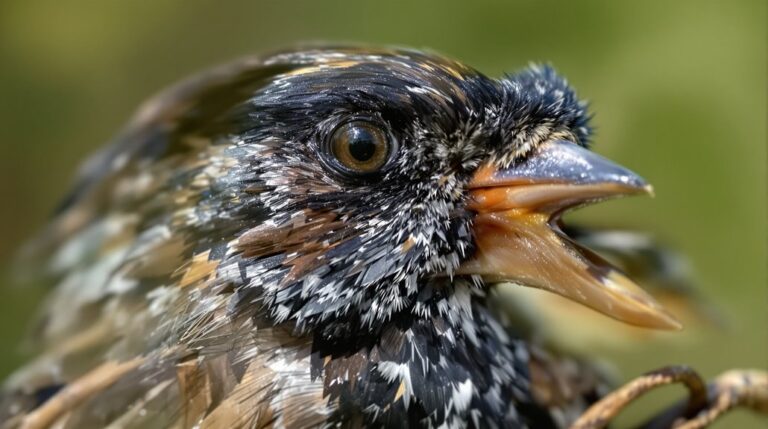
Explore California Rare Birds and make solid discoveries with friendly guides and steady notes.
You’ll learn how the CBRC verifies sightings with date, place, and photos, so your reports really count.
Hotspots like Point Reyes in spring or Morro Bay in fall offer great chances, but surprises show up statewide.
Keep your camera ready, ID tips handy, and start tracking bird movements nearby.
It all points to a rewarding pursuit that might just surprise you.
California Rarities: What Qualifies

California rarities are birds that stand out because they’re unusually uncommon in our state. You’ll learn what makes a sighting exciting, and how you can join the hobby without pressure. In this topic, we discuss listing criteria and how records are judged. A bird may qualify if it’s scarce locally, has past sightings, or was recently observed after a long break. When you find a new bird, prepare a quick record review with date, place, and the observer. Stay hopeful, be patient, and enjoy the chase with friends and family. You will feel proud and curious always. For capturing clear documentation of rare species, using a fast autofocus system can make all the difference in getting a usable photo. Lenses with linear motors provide the responsive and precise focusing needed for fleeting avian subjects.
How CBRC Lists Are Built and Read
If you’re curious how CBRC lists come together, you’ll find a clear, step-by-step process behind every entry. You review each sighting against the list criteria and check notes from observers, photos, and maps for accuracy. The record review decides if a bird joins the main list, moves to a review list, or stays off the page. You’ll see entries organized by location and date, which makes planning trips easy. Keep notes, share sightings kindly, and trust careful discussion among peers. This hobby stays fun when you stay curious and patient. You’ll learn, adapt, and grow with practice. Capturing clear documentation benefits rare bird verification, and using a camera with APS-C sensor ensures high-quality images even in challenging lighting. For fast-moving subjects like rare birds in flight, a camera with fast continuous shooting can significantly improve your chances of capturing a verifiable image.
Recent Additions to California Rarities and Implications
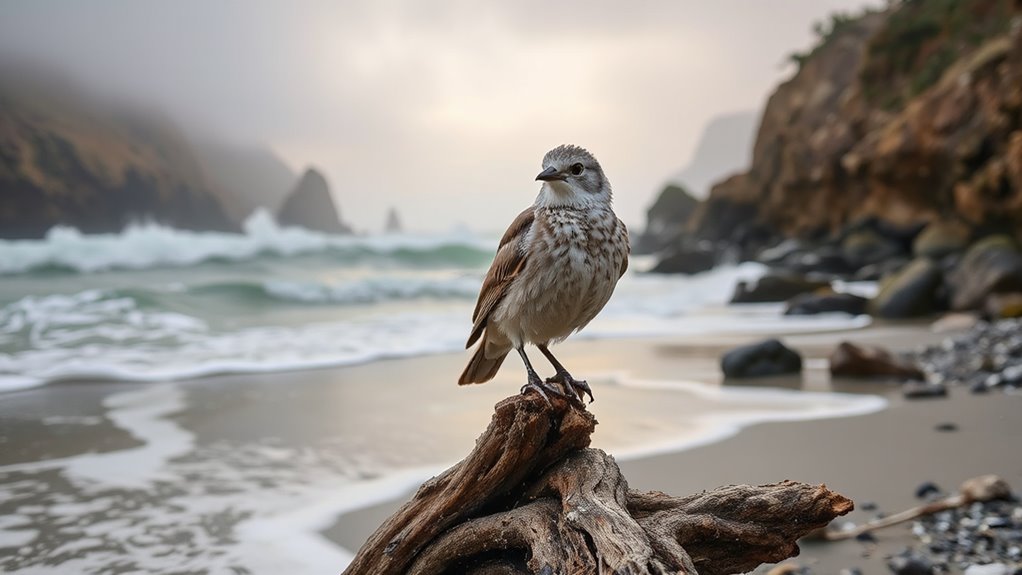
As new California rarities arrive, the list stays fresh and exciting for local birders. You’ll notice taxonomic changes affecting how we name birds, and range expansions bringing surprises to places you visit, from dunes to lakes. When a new bird shows up, celebrate with careful notes and photos, then share your sighting with friends or the CBRC. Keep a simple log of date, location, and a few field marks so others can learn too. Talk with neighbors, join a walk, and enjoy the small thrill of a new sighting, one step closer to understanding nature together with curiosity.
Top California Hotspots for Rarities by Season
When seasons shift, certain spots light up with rare birds just waiting to be found. You’ll notice hot spots change with the weather, and that makes birding exciting. In spring, Point Reyes shines with vagrant gulls and shorebirds, plus appealing passerines. Fall brings Atlantic vagrants to Morro Bay, where calm bays and marshes attract unfamiliar callers. Pack binoculars, a field guide, and patience, then wander trails at sunrise or a low tide. Talk with locals, check recent sightings, and stay respectful of nests. With friendly crowds, you’ll feel welcome, curious, and enthusiastic to chase the next bright rarity together.
Field-Identification Tips for Rare Species
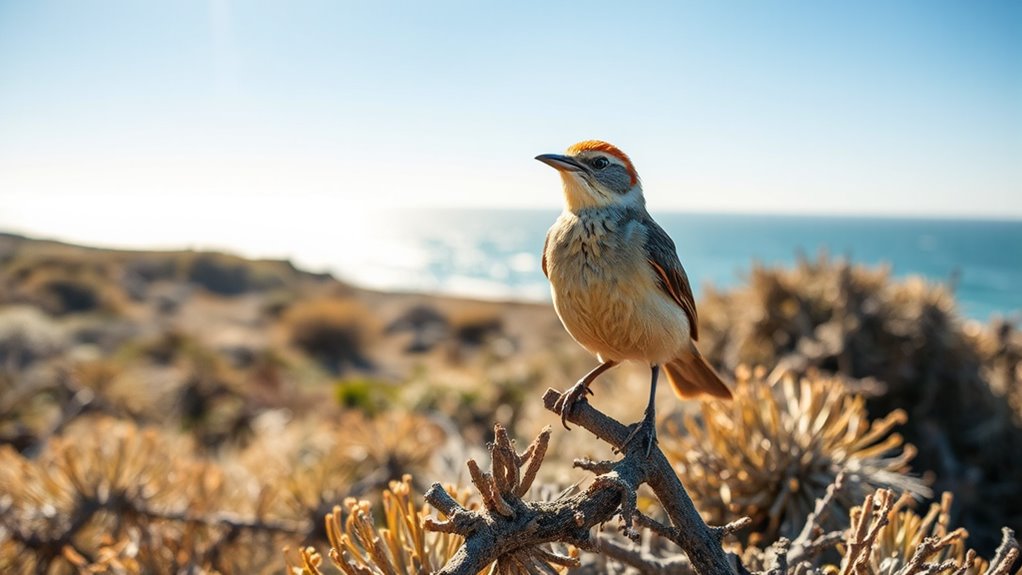
Start with a calm approach and focus on clear field marks, not moments of panic. When you spot a bird, note size, shape, posture, and how it sits or moves. Use plumage variation to tell similar species apart by comparing patterns, colors, and feather edges. Listen for vocalizations, then confirm with a quick field sketch or photo. Keep notes of habitat, time of day, and behavior, which helps later. If you doubt an ID, compare three nearby species and wait for better views. Record plumage variation and vocalizations carefully, share photos, and ask a friend to verify. Keep enjoying the chase.
When and Where to Report Sightings in California
If you spot a rare bird in California, start by checking the reporting guidelines. Submit your sighting to the CBRC review list or note if the species is new to California. Include the species name, exact location, date, and your name, along with any notes on behavior. The process uses a clear Reporting protocol and keeps records up to date, so your find helps everyone map patterns.
Follow Documentation standards by adding photos or recordings when possible, and verify coordinates. Share details soon after the sighting while memories are fresh. Stay patient, be respectful of private lands, and enjoy the friendly hobby of birding together. Your cautious approach protects species and helps rare birds get noticed quickly.
Planning Your Birding Trip: Best Times and Routes
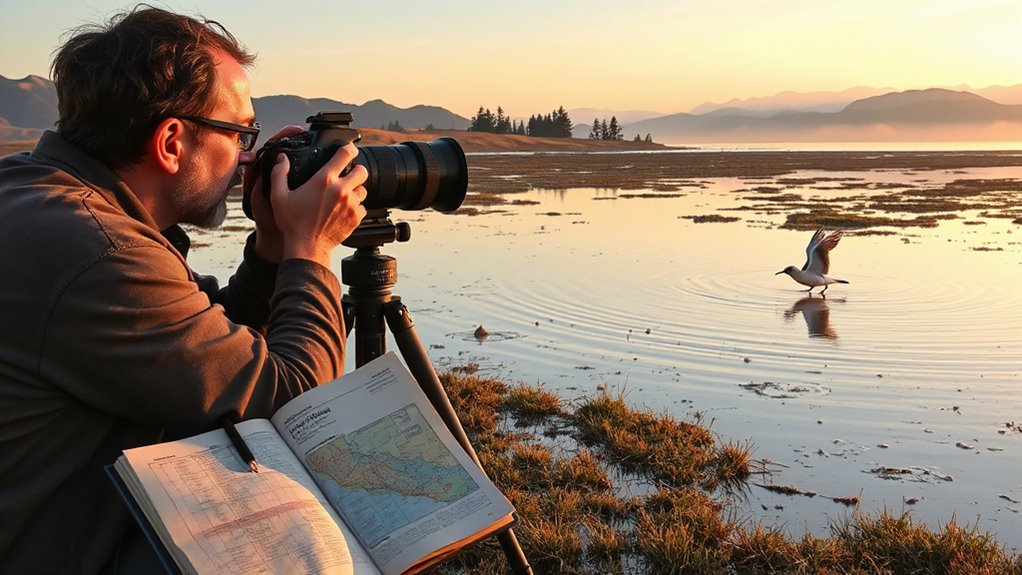
To plan a great birding trip, choose your target species and a window with reliable weather. Map routes that fit your pace, check sunrise times, and pack snacks. Consider trip logistics like parking, binoculars, water, and weather gear to stay comfortable all day. Notice seasonal patterns in migration, blooms, and tides, then pick spots that highlight those birds. Keep a simple plan, but stay flexible for surprises and conversations with other birders. Start close to home this weekend, then branch out to wetlands, forests, and coastlines for a balanced, enjoyable chase that feeds your curiosity daily.
Frequently Asked Questions
Are There Ethical Guidelines for Approaching Rare Birds to Minimize Disturbance?
Yes, follow ethical guidelines to minimize disturbance when approaching rare birds: maintain distance from nests, minimize noise, stay on trails, use long lenses, and observe photography ethics. Do not harass birds; retreat if they show signs of stress; observe quietly and respectfully.
How to Distinguish Look-Alikes When Rare Birds Appear?
Emphasize plumage variation and vocal differences. Compare markings, size and shape, flight pattern, and behavior. Listen for calls, songs, and duets, and note any seasonal plumage shifts. Use a vocal library and check expert records when unsure.
What Is the Typical CBRC Decision Response Time?
Typically, the CBRC responds within about two weeks after completing the review. If you disagree with the decision, you may appeal it, and you should document the outcomes. Maintain meticulous records to track the status and any follow-up actions.
Can Citizen Scientists Publish Data From Sightings?
Yes, you may publish data from your sightings, but you must follow data validation and reporting protocols to ensure accuracy and credibility for CBRC review and regional records. Your submission should include location, date, and observer.
Safety Considerations for Birding in Remote California Sites?
Plan ahead, stay hydrated, and know your limits. Stay on marked trails, tell someone your route, and check the weather forecast before you go. Wildlife encounters can be unpredictable, and desert hazards require plenty of water and access to shade.
Conclusion
Birding in California is more approachable than you might think, and it only gets richer with time. Start at reliable hotspots like Point Reyes, Morro Bay, or the Salton Sea, then chase rarities as the seasons shift. Pack a fast camera, a field notebook, and a few snacks, and you can spend hours exploring. Take careful notes and report your sightings to the California Bird Records Committee (CBRC) to connect with a welcoming community. With practice, your observation skills sharpen, trips feel epic, and curiosity stays high.