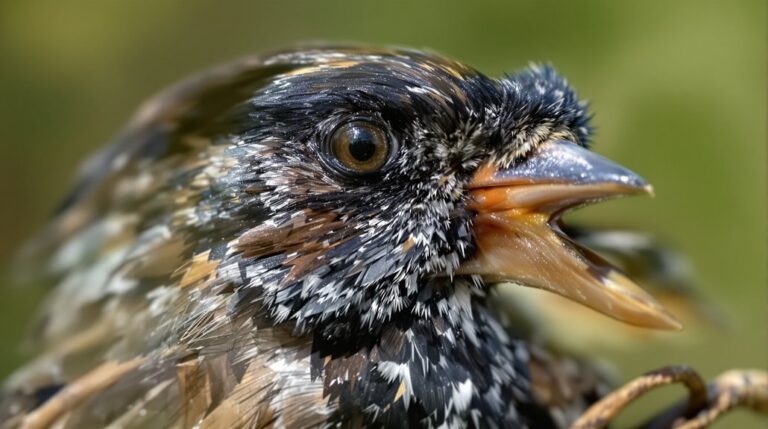
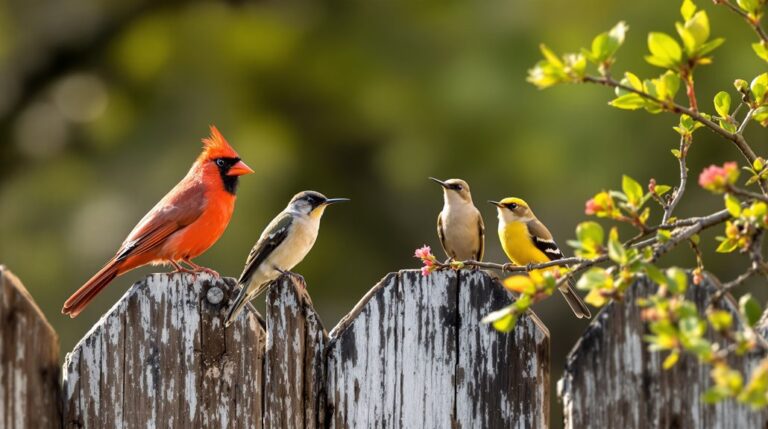
Explore Northwest Birds Identification with a simple plan: use size, shape, and beak type to narrow suspects.
Notice field marks on warblers, or the bold stripes of woodpeckers, and keep a quick note of where you saw them and when.
Bring a compact field guide, a notebook, and a small binocular strap knit to your bag.
Curious how maps, icons, and sound clues tie it all together to identify species? Let’s explore together.
Identify Northwest Birds: Your Quick Field-Guide Scope
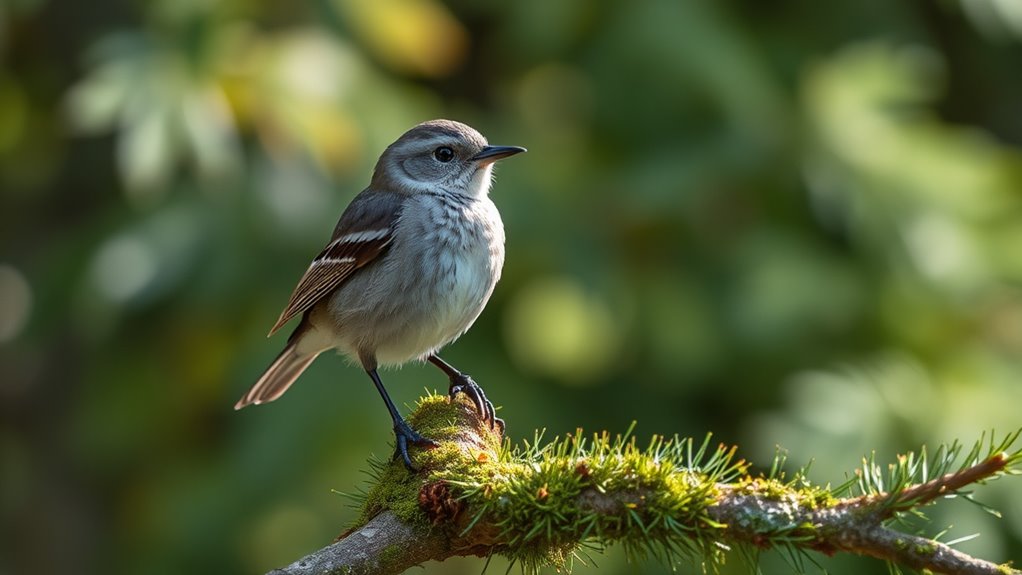
Think of your quick field-guide scope as a friendly map you can use on every birding walk. You’ll learn to spot Northwest birds faster by checking simple clues like size, shape, and plumage, then listening for vocalizations to confirm who you saw. Keep a small notebook or phone notes for easy reminders, and carry a light pair of binoculars for crisp views. Start with common forest and feeder visitors, compare colors, and note distinctive calls. Practice daily, stay curious, and share tips with friends. Before long, you’ll recognize birds confidently and enjoy every outing. On your next birding adventure. For steady, clear viewing, especially with higher magnification, consider using binoculars with tripod compatibility.
Key Categories for Northwest Birds: What You Really Need to Know
If you’ve started with simple field clues, these key categories guide every Northwest birding walk. You’ll notice forest birds first, then observe how they act, their colors, and their songs. Focus on size, shape, and beak type to tell families apart, not just species. Backyard visitors show how birds live near people, so watch feeders, water, and trees. Keep country and season in mind, because ranges shift with migration. Practice helps you spot patterns, and you’ll build good habits through quick checks and friendly notes. With patience, your confidence grows and birding stays fun. Share tips with friends, learn calls, and enjoy. For sharper images in flight, use a fast shutter speed of 1/1000s or faster when photographing active birds. A fast electronic shutter can further enhance your ability to capture rapid wingbeats without motion blur.
Field Marks That Tell Species Apart (Warblers to Woodpeckers)
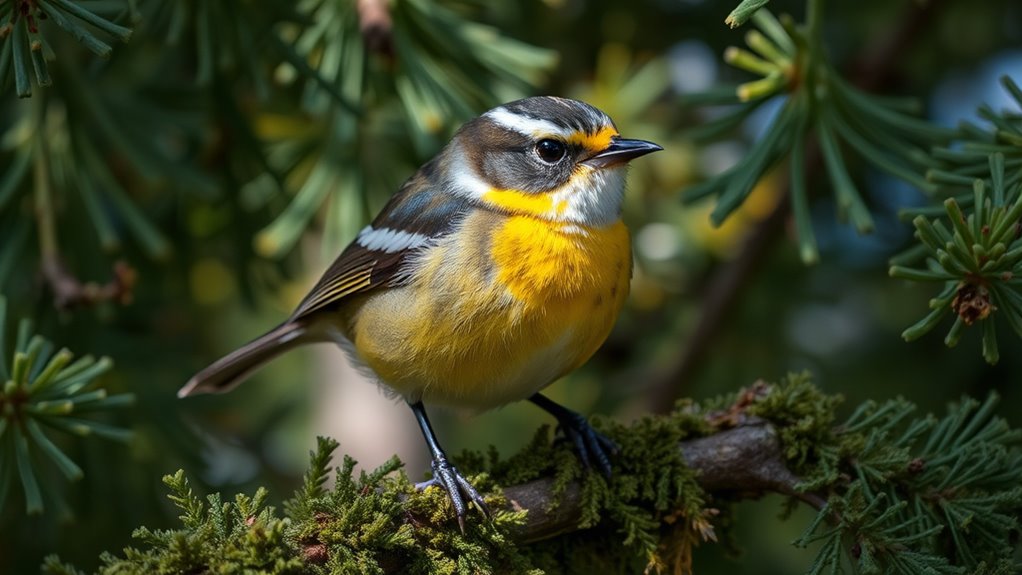
When you study field marks, you spot warblers and woodpeckers more quickly. You compare plumage details, bill shapes, and tiny cues to tell species apart. For warblers, look at streaks, crown color, and wing bars. For woodpeckers, note bill length, neck flashes, and tail patterns. Plumage details guide you to bold jackets or pale birds, while bill shapes hint habits. Practice with guides, listen for calls, and compare photos side by side for confidence. You can start today, keep notes, and enjoy discovering tiny clues in the Northwest skies. Stay curious, patient, and celebrate small victories together with friends. Using a telephoto lens with optical image stabilization helps capture clear images of these subtle field marks in low-light forest environments.
Feeder-Friendly Profiles: Which Birds Visit Your Yard
Imagine waking up to a flurry of feathered visitors at your feeder. You can tell who comes by how they eat and where you place the food. This is an easy hobby, and you’ll love it from the first morning song. Start with simple seed choices and a clean feeder, then watch the birds try different flavors, sizes, and shapes. Keep notes about which birds visit during winter and which prefer sunny spots. Use seed preferences and feeder placement to guide your tweaks, and place feeders near trees for safety. Before long, you’ll enjoy quiet moments, bright birds, and tiny surprises.
How to Read a Regional ID Guide: Maps, Icons, and Accounts
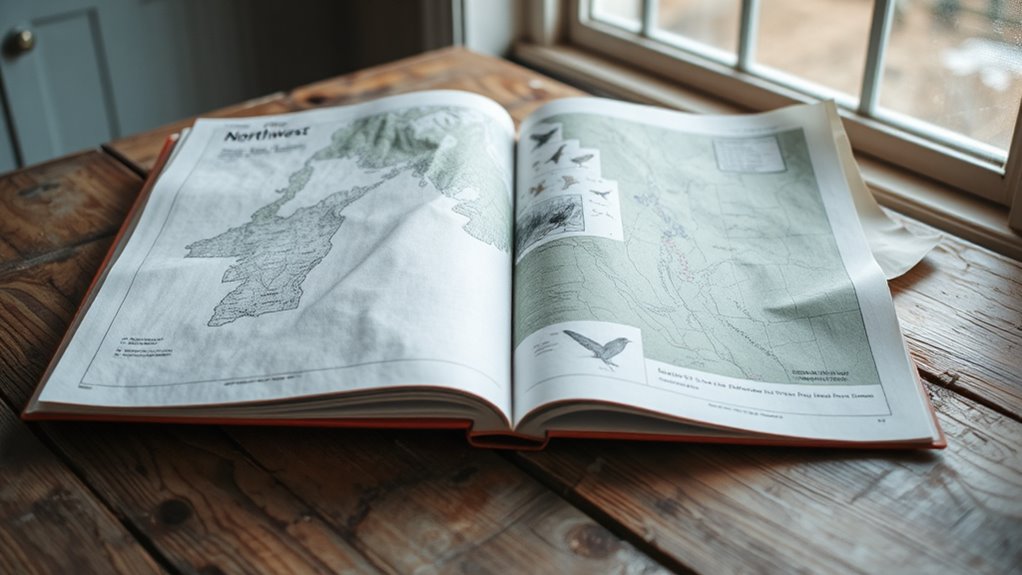
You can turn your backyard birdwatching into a smart quest by checking a regional ID guide. In these guides, maps show where birds go across seasons, and you can spot patterns quickly. Look for map legends that color code summer, winter, and year-round sightings, so you know when to expect a species. Icon keys label habitats, sizes, and behaviors at a glance. The accounts beside each bird give quick facts about size, calls, and where to look, with practical tips like visiting feeders or nearby streams. Take notes, compare birds, and enjoy learning at your own pace, everyday fun.
Habitat and Seasonality in the Northwest: Where and When to Look
From misty coastlines to high mountain forests, the Northwest offers a range of homes for birds. You’ll notice different habitats season by season, and that makes birding feel alive. In coastal spots, look for shorebirds and gulls near dunes and tidal pools. In forests, birds perch in conifers and hunt insects, while hummingbirds hover over flowers in small clearings. Move to grasslands and wetlands, and you’ll see migration patterns change as birds gather to feed. Grab a notebook and plan quick trips, because simple walks turn into rewarding discoveries. Your curiosity keeps the neighborhood buzzing with life every day.
What Birds Sound Like and How They Behave: Learn the Calls and Cues
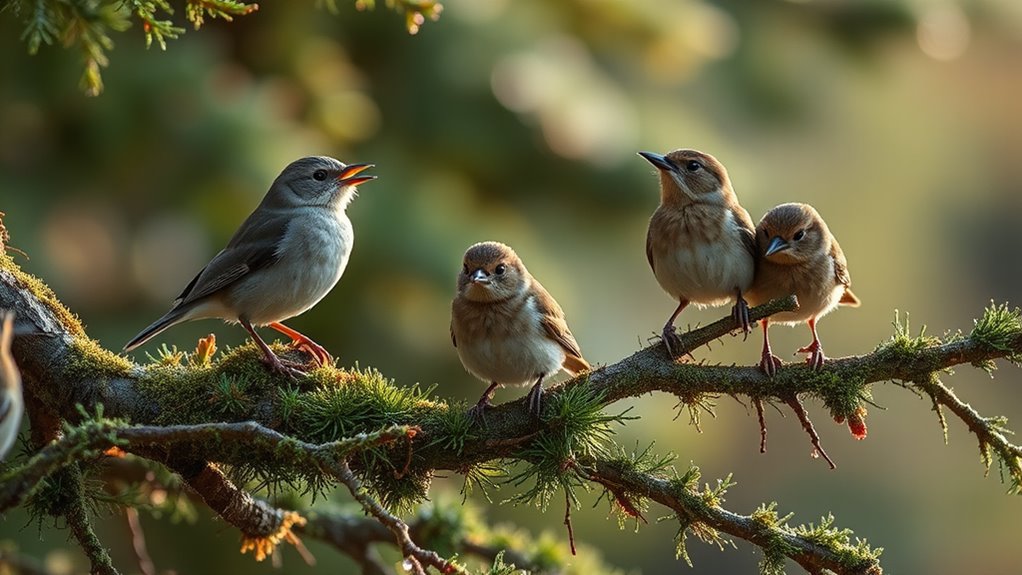
Moving from habitat glimpses to sounds and behavior, bird watching becomes a real conversation you can hear. Listen for calls that tell you when a bird is nearby, whether it’s singing high or scolding softly. Many species use vocal mimicry, imitating other birds or sounds, which adds a playful twist. Foraging habits reveal daily routines, like chickadees checking feeders or nuthatches probing bark for insects. Watch tail flicks, wing flashes, and how long a bird stays in one spot. Keep notes, compare sounds with guides, and soon you will recognize patterns and feel confident. Enjoy the hobby and share sightings with friends.
Practical Tools for Birding: Apps, Guides, and Local Resources
If you’re new to birding, practical tools can make spotting easier and more enjoyable. Use handy resources like field guides, local park maps, and volunteer groups to locate birds faster. Guides and apps provide clear photos, range information, and quick migration tips. Try digital checklists to track your sightings, share with friends, and learn from mistakes. Keep a simple notebook or photo log, and download an easy field-use app. On-hand resources stay useful in backpacks, while digital tools can sync across devices for reliability. They help you stay confident while exploring trails.
Frequently Asked Questions
Are NW Migration Timings Region-Specific in Field Guides?
Yes, migration timings in field guides are region-specific. You’ll see shifts driven by elevation and latitude variations, so timelines differ across western Washington and Oregon, reflecting local weather, food availability, and habitat changes seasonally.
Which Species Are Most Mistaken Look-Alikes in Washington?
In Washington, the most commonly mistaken look-alikes are Empidonax flycatchers and vireo species, whose subtle ticks and dull colors can fool many observers. To tell them apart confidently, compare their calls, wing patterns, and preferred habitats.
How Reliable Are Color Photos for Forest Bird IDS?
Color photos can aid identification, but they aren’t definitive for forest birds. Lighting and plumage variation can mislead, so compare shape, habitat, behavior, and vocalizations, and collect photos from multiple angles or across different seasons to confirm identities in the field.
Do Guides Cover Micro-Habitat Preferences Within Forests?
Yes, guides cover micro-habitat preferences within forests, including forest layers and canopy specialists. You’ll find notes on the understory, midstory, and canopy use, as well as how species exploit gaps, fallen logs, and nesting sites for breeding.
Can You ID Northwest Birds by Vocalizations Alone?
No, you can’t identify Northwest birds by vocalizations alone. Visuals and behavior are important too. Song learning varies, and birds share dialects, so clues shift with range. Rely on cues such as plumage, flight, and habitat.
Conclusion
You now know why Northwest birding is easy and fun, so grab a notebook and start watching. Notice size, shape, and beak first, then study plumage and behavior for solid IDs. Keep a simple life map of seasons and hotspots, plus the feeder visits that lighten your day. Use apps and guides for quick tips, but trust your eyes and notes. With practice, you’ll identify dozens of birds and share great stories with friends everywhere.