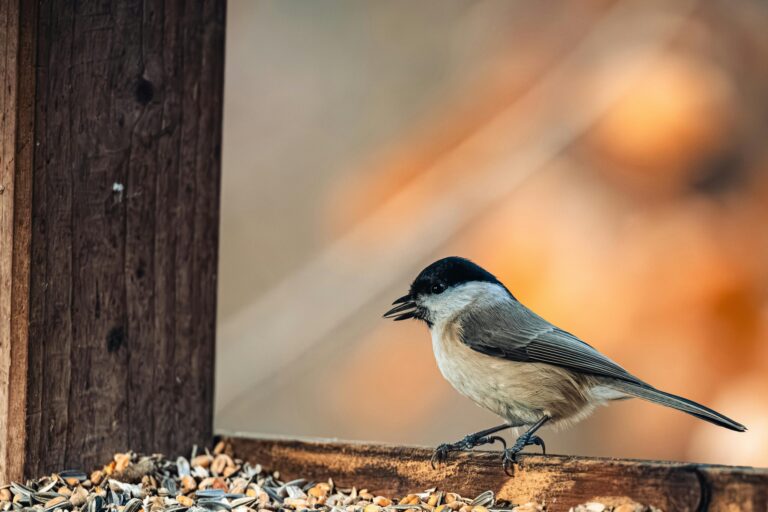
Why Do Birds Suddenly Disappear from Feeders? Here’s why they may vanish and how to fix it quickly.
Birds may disappear from your feeder for several reasons, and you can fix most quickly.
If seed goes stale or moldy, they stop coming, so clean and refill often.
Weather changes and rain or snow slow visits, so offer shelter and water in warmth.
Predators like cats or hawks frighten birds away, so move the feeder or add guards.
Seasonal shifts and disease also matter; stay observant and tweak as needed, tips to try.
Why Do Birds Stop Visiting Your Feeder?

If your feeder seems quiet, a few simple factors could be to blame. You might notice food quality slipping, so birds may choose easier meals elsewhere. Make sure fresh seed is available and that containers and water are clean to invite them back. Dirty feeders make birds skip meals, so wipe them down and refill with care. Weather, recent rain, and spoiled seed can scare them away, so inspect for mold and spoilage. Offer high-quality options, like black-oil sunflower, and keep feeders full but not overflowing. With small fixes, you’ll hear familiar chirps again and enjoy a busy feeder.
How Weather and Seasons Affect Feeder Visits: and What You Can Do
You’ve learned a lot about why birds slow down at feeders, and now weather and seasons shape those visits the most. Seasonal shifts change when birds arrive, and weather patterns decide how long they stay. When heavy rain or snow hits, you’ll see fewer visits as birds seek shelter, so offer sheltered, perch-friendly spots and clean feeders after storms. In mild spells, keep a steady supply of seeds to attract friends back. Rotate foods, like a mix of suet and black-oil sunflower, to match needs. Track changes, adjust feeding, and enjoy watching tiny adaptors thriving near your yard daily. A high-energy diet supported by sunflower seeds & peanuts helps sustain birds during extreme weather and seasonal transitions. For photographers hoping to capture these resilient visitors, using a mirrorless camera can enhance your ability to photograph fast-moving birds in changing light.
Predators, Disease, and Neighbor Pressures on Backyard Feeders
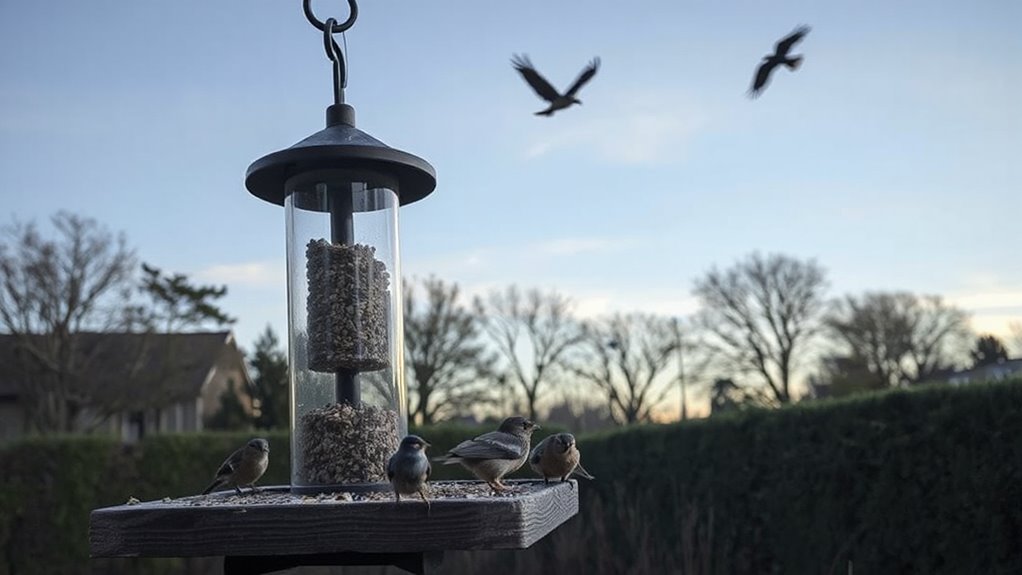
Predators, disease, and neighbor pressure can shape your backyard feeder routine each day. You may notice hawks nearby and feel cautious, but you can still enjoy feeding birds. Keep feeders clean, move them if a predator lingers, and offer seeds birds trust, like black oil sunflower. Watch for disease outbreaks, and remove spoiled food quickly to protect others. Let neighbors know when birds skip visits, because shared spaces help, not blame. Create calm, safe spots with low shade, provide fresh water, and rotate feeding sites to reduce risk and keep the fun alive for you today. Using a camera with fast continuous shooting can help monitor bird activity and detect sudden changes in feeder visits. For beginners, a mirrorless camera with APS-C sensor offers superior image quality and enhanced reach for capturing distant birds.
Practical Steps to Bring Birds Back and Keep Them Visiting
Because bird visits can fade, start with a simple plan to lure them back quickly. Improve feeder placement by placing it near cover but away from heavy foot traffic, and keep it visible from inside rooms. Use high-quality seeds and avoid cheap mixes, because birds notice fresher, cleaner options. Clean your feeder weekly during busy times and after rain to reduce mold and disease. Offer a variety of seeds, like black-oil sunflower and safflower, to appeal to different species. Fill consistently, refill before it runs dry, and invite neighbors to join this joyful, stress-free hobby. It stays fun, friend.
Frequently Asked Questions
Do Birds Have Favorite Times of Day for Feeding?
Yes, many birds favor feeding at dawn and again in the late afternoon. You’ll notice a dawn chorus drawing them in, and after the sun has set, they visit briefly before their evening roost calls begin.
Can Water Availability Affect Feeder Visits?
Yes, water availability affects feeder visits. When migration patterns shift and weather changes reduce nearby natural water, birds crowd your feeders more. Conversely, drought-driven water scarcity elsewhere can lower visits until conditions improve.
How Do I Tell if Birds Are Avoiding Feeders Due to Disease?
Yes, sick birds may avoid feeders. Watch for signs such as lethargy, ruffled feathers or poor feather condition, and coughing. If you suspect disease, stop feeding and do not relocate feeders to reduce spread and protect others nearby.
Do Urban Noise and Light Pollution Impact Feeder Use?
Yes, urban noise and light pollution can reduce how often birds visit your feeder. You may notice birds skipping feeds because of sound masking and glare. They prioritize safety from predators, seek quieter routes, and return when the area is calm and safe.
Can Plant Choices Around Feeders Influence Visits?
Yes, plant choices around feeders can influence visits. Native plants attract birds by providing shelter and foraging opportunities. Align your landscaping with seed preferences by offering a variety of seed sources that invite different species to linger and feed comfortably.
Conclusion
You can make backyard birding easy and fun. Start by cleaning feeders weekly and refilling with fresh seed to keep visitors coming back. Watch for weather changes and move feeders if rain or snow drives birds away. Look out for predators and hide feeders or use a shield or baffles. Share simple tips with neighbors and maintain a steady feeding routine. With care, birds will flock to your yard, you’ll learn their habits, and the hobby stays simple.