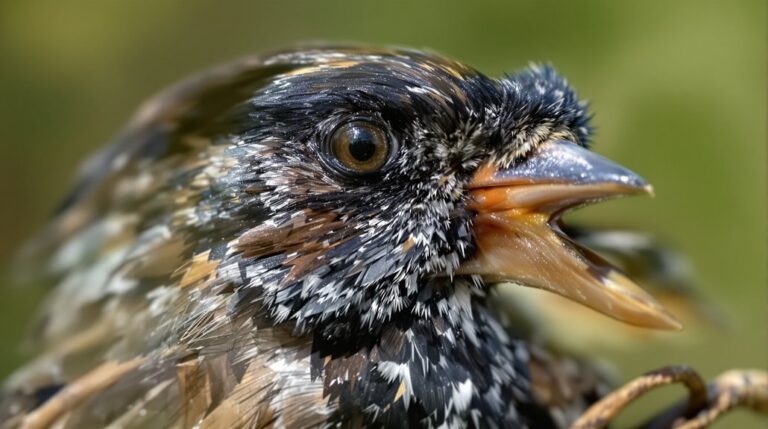
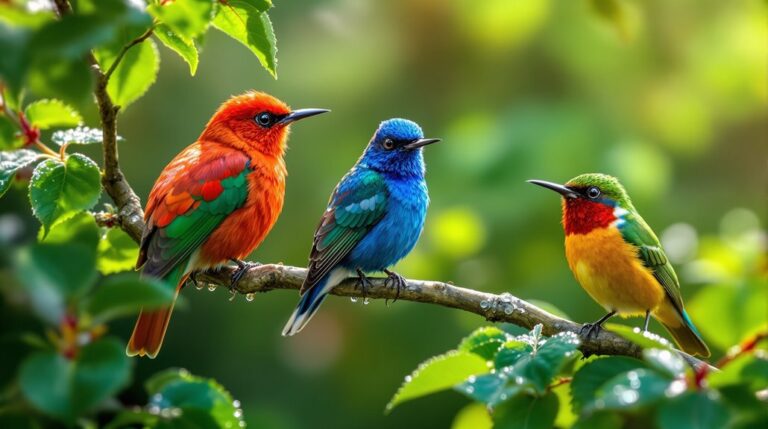
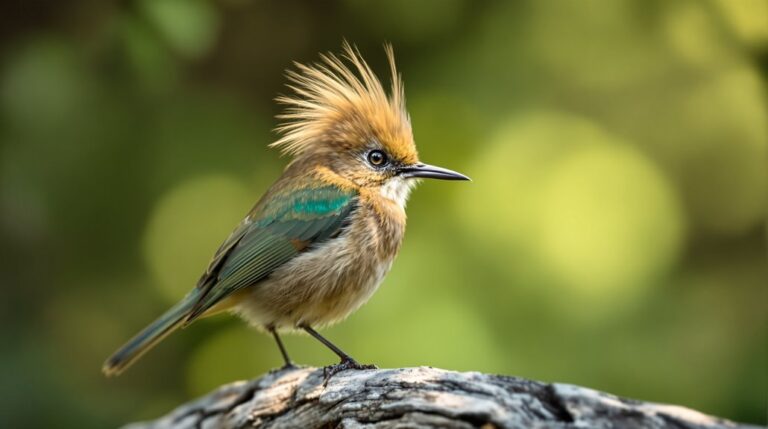
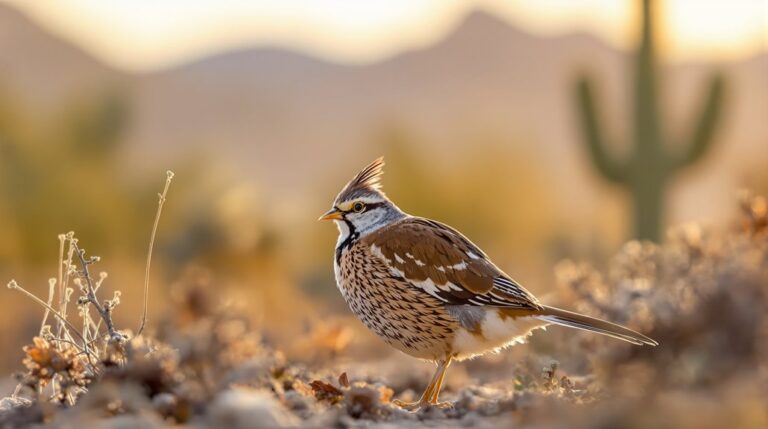
Identify Birds: you can start spotting birds with simple steps and a curious, calm mindset.
Check size and shape, then look for field marks like wing bars or a cap.
Keep notes as you compare habitats and the season, dawn or dusk.
With decent binoculars and a camera, small birds become clearer, and curiosity grows.
If a bird clicks for you, you’ll want to learn its name and look again soon.
Identify Birds: Core Starter Techniques
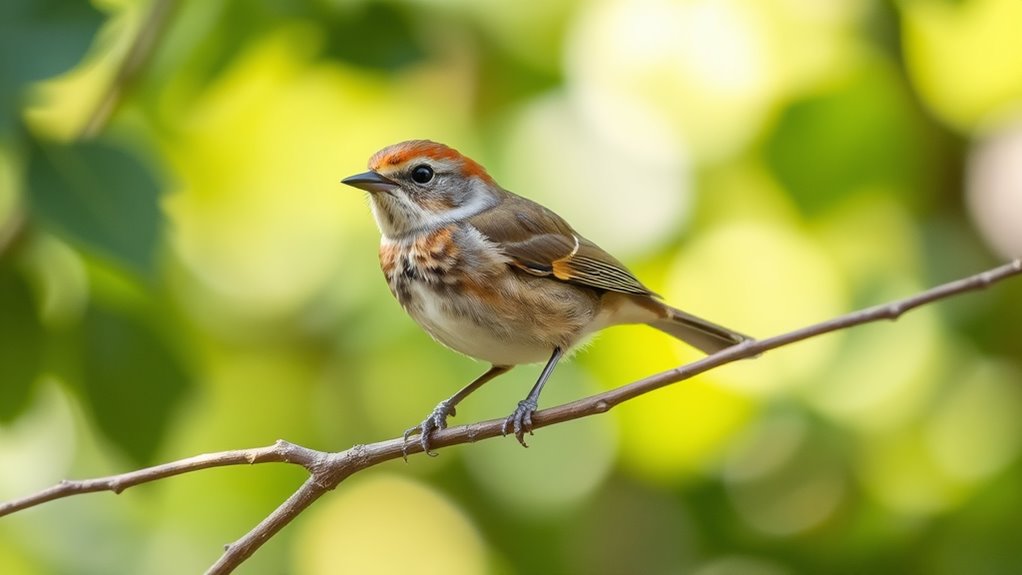
A good starter trick is to size up the bird and judge its silhouette. You focus on shape, ask whether the body is plump or slim, and note long or short wings. That quick look narrows groups, from raptors to shorebirds, and helps you stay confident in every step. When you spot a shape you recognize, you pause, listen, and compare with the guide’s simple pictures. Keep notes about behavior, like a bird’s stance or how it feeds, and you remember it later. With practice, you gain speed, enjoy small discoveries, and feel enthusiastic to learn more every day. Using a crop sensor camera can enhance your ability to capture clear images of distant birds, aiding in accurate identification through photography. For sharper results in low light, consider cameras with advanced low light autofocus capabilities that perform well in challenging conditions.
Field Marks: Visible Clues You Can Use
After sizing up the silhouette, field marks provide the specific clues you need to ID. You learn to notice plumage patterns and distinctive markings, then compare them to simple guides. Look for wing bars, eye rings, cap color, and tail tips, then test your idea with a quick note in your field notebook. When you focus on one clue at a time, the mystery becomes a game you can win. Start with shape, then add color, then listen to a call if you can. Practice on easy species first, like a robin or blue jay, so the method sticks today. A high-quality lens with excellent optical image stabilization helps capture clear views of these field marks, especially in low light or at long distances. For consistent clarity and brightness in varying conditions, choose binoculars with multilayer coatings to reduce glare and enhance image contrast.
Habitat and Seasonality: Narrow It Down by Where and When
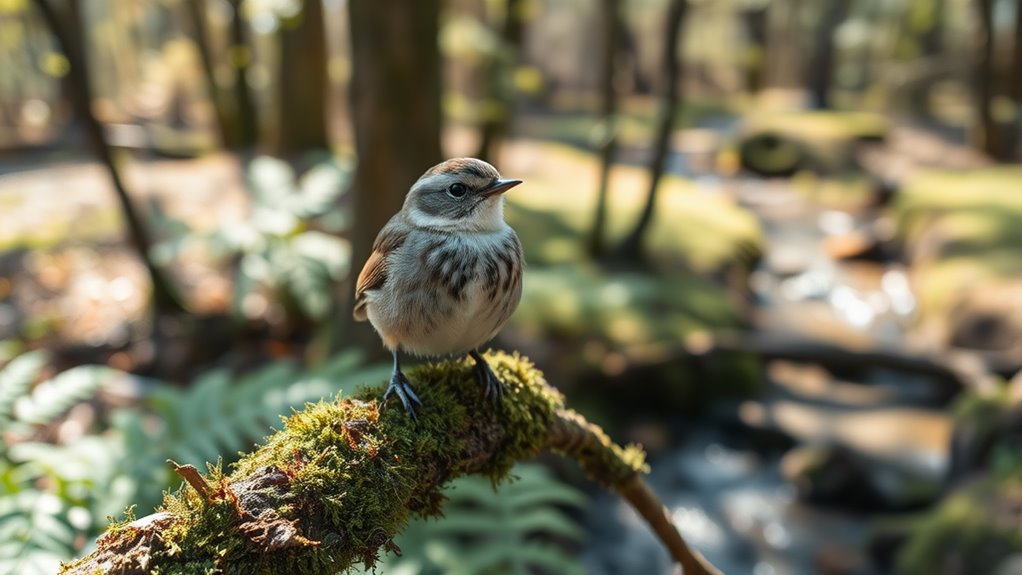
Where you hike or stroll matters as much as what you see in the treetops, because habitat shapes which birds sing and where they perch. When you notice pine forests, open meadows, or city parks, you narrow the field and spot familiar shapes faster. Migration timing helps you predict who might be around, while local parks give easy practice grounds. Watch for birds at dawn or late afternoon, listen for calls, and compare your sightings with a simple guide. With simple steps and a friendly mindset, birding stays fun, welcoming, and educational. You can start today, right away.
Frequently Asked Questions
How Do I Judge Bird Size Accurately in the Field?
Estimate perceived size by comparing the bird to familiar objects. Apply estimation techniques such as wingspan, body length, and overall height. Note distance and perspective, use silhouettes for reference, and adjust for lens distortion or observer height to improve accuracy.
What Is the Easiest Way to Distinguish Similar Species at a Glance?
Focus on plumage patterns and behavioral cues to distinguish similar species at a glance. Compare wing bars, head markings, and tail shapes, then verify with flight style, feeding habits, and vocalizations to confirm identifications.
Can I Identify Birds by Sound Alone Without Visuals?
Yes, you can identify birds by sound alone. Practice learning their songs and notices vocalization patterns such as rhythm, pitch, and calls; combine that with habitat cues, seasons, and movement to distinguish species without visual cues reliably.
Which Binoculars Are Best for Beginner Birders?
Choose binoculars with 8×42 or 10×42 magnification and bright objective lenses for easy, steady views, beginner-friendly. Start with comfortable, lightweight models that have smooth focus wheels, a durable build, and reliable balance to reduce fatigue on long outings.
How Long Should I Observe a Bird Before Identifying It?
Answer: Start with a brief pause, observe the bird, then assess initial impressions and behavioral cues before naming it. You’ll refine the ID as you watch flight, posture, size, and vocalizations, narrowing possibilities gradually each time.
Conclusion
Birdwatching is fun, approachable, and full of small surprises you can notice right away. Start by borrowing a decent pair of binoculars and keeping a quick notebook handy, so you remember every bird you see. Compare size, shape, and wing bars, then note cap colors or tail patterns when you spot them. Practice at dawn or dusk and in familiar parks, because habits help. Stay curious, take photos, and celebrate every little identification win together.