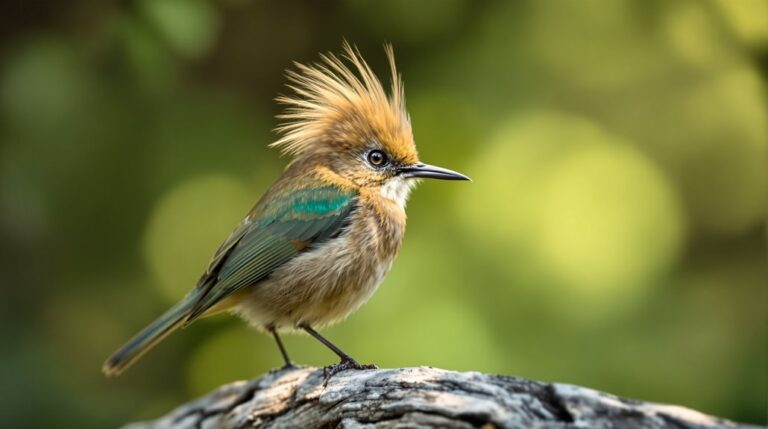
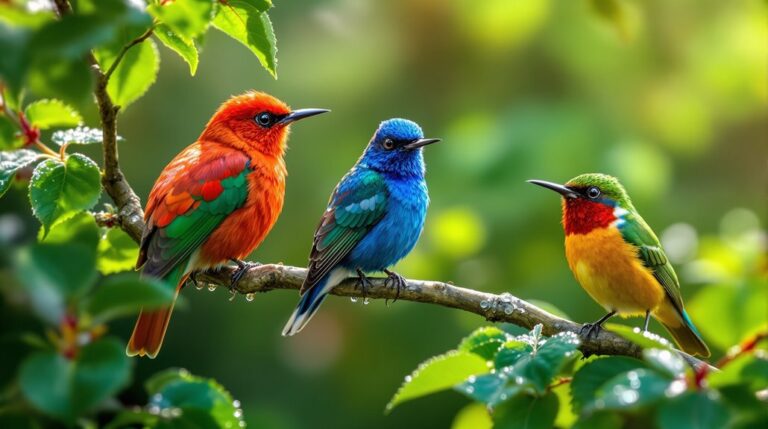
Arizona Bird Identification: If you explore Arizona, start with familiar birds like Gambel’s Quail and Vermilion Flycatchers.
Keep a pocket field guide handy and note size, shape, and where you spot them.
You’ll spot easy backyard options like House Finches and Red-tailed Hawks by color and song.
Stay curious about habitats and calls, then keep a simple log to track progress and surprises ahead.
Foundational Birds of Arizona: Key Species You’ll See

Foundational birds of Arizona give you a friendly start to any birding adventure, and you’ll spot many in parks and backyards. You’ll meet common species, from Gambel’s Quail to Vermilion Flycatcher, in approachable tones. They frequent trails, yards, and shaded washes, adapting to heat and the monsoon rains. Seasonal migration brings new guests in spring and fall, offering fresh sights and songs. You learn habitat preferences by noticing where birds perch, feed, and sing, then plan simple listening walks. With friendly field guides, you compare sizes, colors, and shapes, building confidence each day. Start in safe parks, then wetlands. To support these birds, especially during hot months, offering high-energy foods like peanut and mixed nut blends can help maintain their energy reserves. For sharper images in fast-moving desert light, use a fast shutter speed to capture clear details of wingbeats and flight.
Identifying Waterfowl and Raptors in Arizona: Key IDs and Ranges
Waterfowl and raptors are among the most exciting birds to chase in Arizona, and they’re easier to identify than you might think. When looking for ducks, focus on size, head shape, and bill color for quick identification. At a distance, hawks reveal themselves by strong silhouettes, study hawk outlines against the sky to tell species apart. Common ducks to learn include Mallard and Green-winged Teal, while Red-tailed Hawks and Cooper’s Hawks display bold profiles. Practice at lakes or along highways, compare field marks and note ranges; patient, rewarding sightings await. Grab binoculars and bring a notebook today. For capturing sharp images of these fast-moving birds, consider using a camera with fast continuous shooting to freeze wingbeats and action sequences. A high-quality telephoto lens with optical image stabilization ensures sharper handheld shots when tracking birds in flight.
Common Backyard Birds in Arizona: Easy IDs and Habits
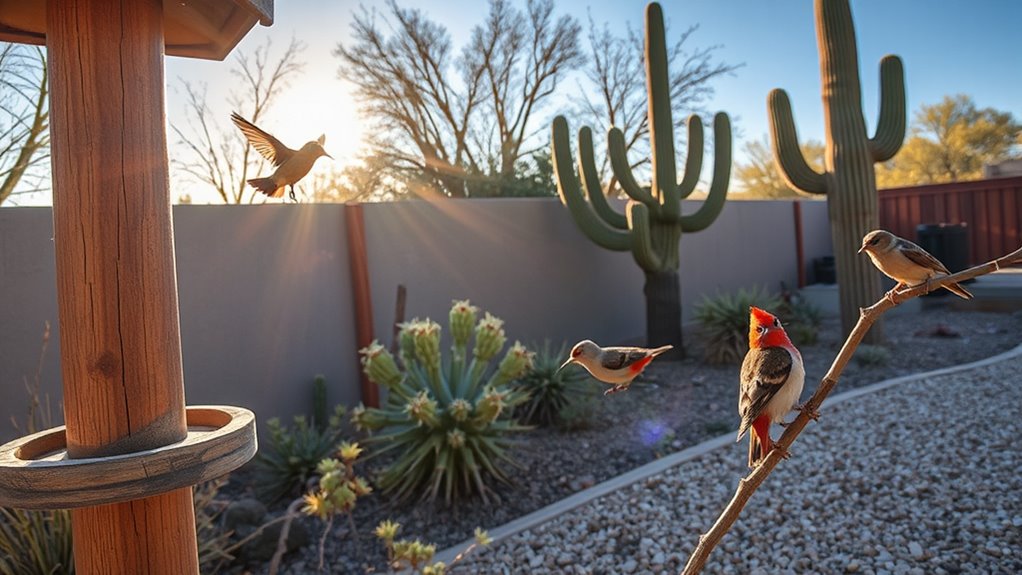
Because you want easy backyard birds, start with familiar locals like the House Finch and Gambel’s Quail. Observe their daily habits from a window, then note what foods they prefer and when they visit feeders. Feeder types matter, so mix seeds, millet, and a splash of fruit to attract a variety of visitors. Bird behavior becomes easier to read when you stay relaxed and curious, noticing chases, hops, and dives. Keep water available, tidy feeders weekly, and invite friends to compare sightings, because nature feels friendlier when shared. With patience, you’ll learn names, songs, and favorite snack spots.
Field Guide Tips: How to Identify Arizona Birds in the Field
Start with the basics: size, color, and shape tell you a lot about a bird in Arizona. When you study field guides, look at size and silhouette first, then check plumage differences and subtle wing patterns. Listen for vocalizations, because calls and songs often nail a species faster than color alone. Take notes, compare nearby birds, and use a quick checklist for common Arizona species. Practice at parks, and you’ll recognize familiar traits in minutes. Bring a small notebook, a pencil, and patience, because steady observation makes field ID feel like solving a friendly puzzle out there.
Frequently Asked Questions
What Rare Arizona Songbirds Should I Watch For?
Keep an eye out for rare Arizona songbirds, such as the Lucid Flycatcher and the Red Warbler. Focus your search in high-elevation woodlands and riparian edges. Listen for their songs and record sightings to help scientists and birders.
How to Identify Migratory Patterns Across Arizona Seasons?
Track migratory patterns by noting timing and species shifts. In spring, expect arrivals of warblers and swallows; in autumn, observe departures and influxes of raptors. You’ll map migration corridors, stopovers, and yard attractors accordingly.
Which Field Marks Indicate Introduced Parrots in AZ?
Identified field marks for introduced parrots in Arizona:
- Bright green plumage with contrasting facial or wing/color accents (varies by species).
- Compact, sturdy body shape and a relatively short, squared-off tail.
- Distinct, loud vocalizations and frequent mimicry; vocal behavior often more varied and chatty than native birds.
- Strong, chattering or repetitive calls, sometimes given in noisy flocks.
- Flight and flight silhouette differ from many native birds: rounded wings and a short, squared tail rather than long, pointed wings.
- Perch and behavior cues: often seen in urban or suburban areas, frequenting fruiting trees, feeders, and disturbed habitats.
Note: Species-specific cues (e.g., Nanday or Monk Parakeet patterns) vary, so combine these general field marks with species references when possible.
What Sound Cues Distinguish Similar Raptors in Arizona?
Raptors in Arizona can be distinguished by vocalizations and plumage. Listen for sharp alarm calls versus shrill whistles, then compare wing and body patterns, banding, tail shape, and size to confirm species. With practice, you’ll identify them confidently.
Where to Find Statewide Breeding Bird Occurrence Maps?
View statewide breeding bird occurrence maps on eBird maps and the Arizona Game and Fish site, with linked field checklists. These resources let you track ranges, seasonality, and occupancy as you plan Arizona birding trips.
Conclusion
Bird watching in Arizona is easy to start and hard to put down, you’ll love it fast. Grab a simple field guide, stand on a park trail, and listen for song clues before you search for color. Practice by noting size, shape, and habitat, then check your notes with a buddy. Try early morning hours, bring sturdy shoes, and keep a small notebook. Soon you’ll spot quail, hawks, and finches with confidence and joy every day.