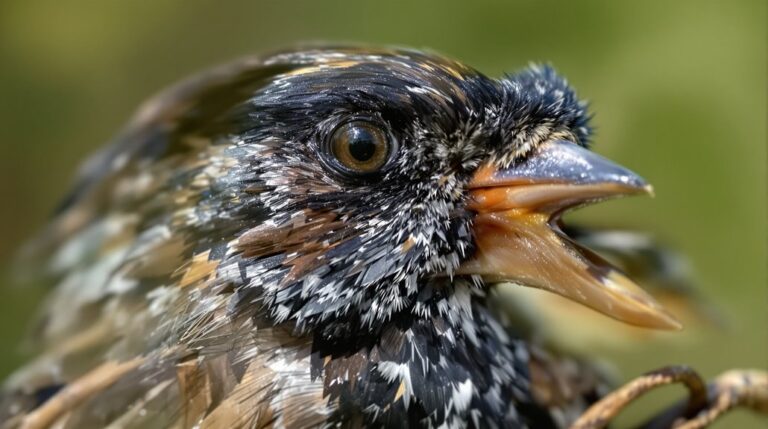
Austin hides plenty of friendly birds you can spot in yards and parks.
Common Birds in Austin often visit feeders, so start there.
White-winged Doves and House Sparrows often visit feeders, so start there.
To tell similar birds apart, note size, shape, and the bill you see.
Look for field marks like a Red-tailed Hawk’s belly band or a chunky sparrow bill.
With quick tail checks and song clues, you’ll catch on and want more.
Your Winter Guide to Austin Birds
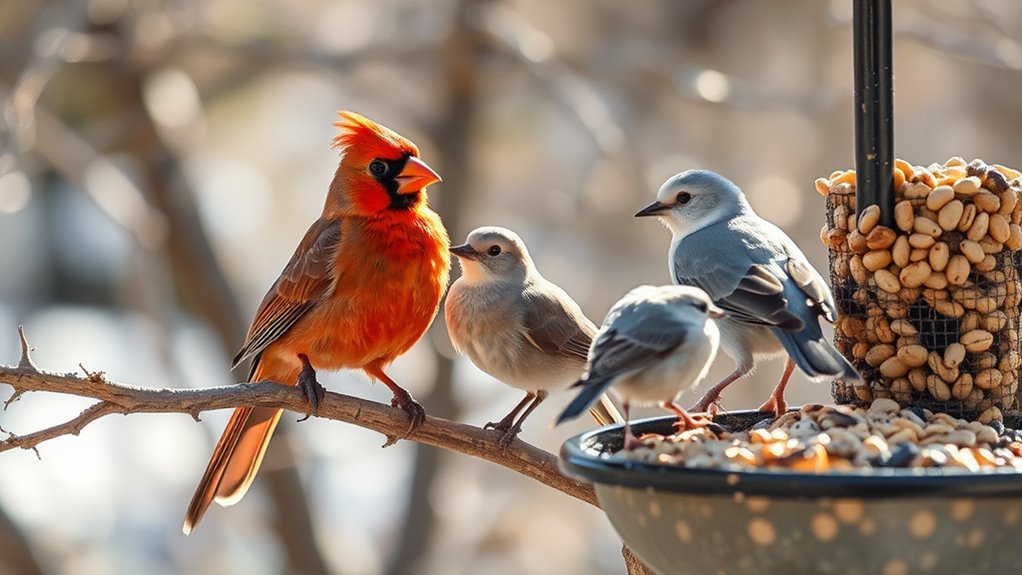
Winter in Austin is a great time to start birding, so grab your boots and a simple field guide.
You’re ready to notice winter residents visiting feeders and trees, moving slowly, listening for soft chirps.
Watch for bird behavior like tail flicks and morning hops, which tell you they feel safe.
Bring water, a small notebook, and patience, because some birds visit briefly, then vanish.
With steady walks and simple tips, you’ll connect every tweet to a season and place.
Know that winter residents bring variety, and your curiosity grows along with your delight in bright feathers.
For sharper images in low light, consider using a sturdy tripod to stabilize your camera gear.
Capturing fast-moving birds requires quick response times, making continuous autofocus essential for maintaining sharp focus.
Common Backyard Birds in Central Texas
Whether you’re new to birding or just curious, your backyard hosts plenty of visitors. In Central Texas you can spot White-winged Doves and House Sparrows right from a window, wiggling through feeders and trees. You’ll notice dove habits like drinking at puddles and pecking seeds, which makes mornings calm and friendly. Sparrow diets mix seeds, crumbs, and insects, so keep a few tasty options available. Keep your feeder clean and put out water, and you might see Cardinals and Goldfinches join the cheerful chorus. Being patient pays off, and small habits build great birding joy. Share sightings with friends, learn birdsong patterns, and enjoy simple discoveries on easy walks around your yard today. For attracting a wider variety of songbirds, consider offering shell-free sunflower hearts. A good pair of binoculars with 15mm eye relief can make it easier to spot fine field marks on distant birds without straining your eyes.
How to Tell Similar Austin Birds Apart
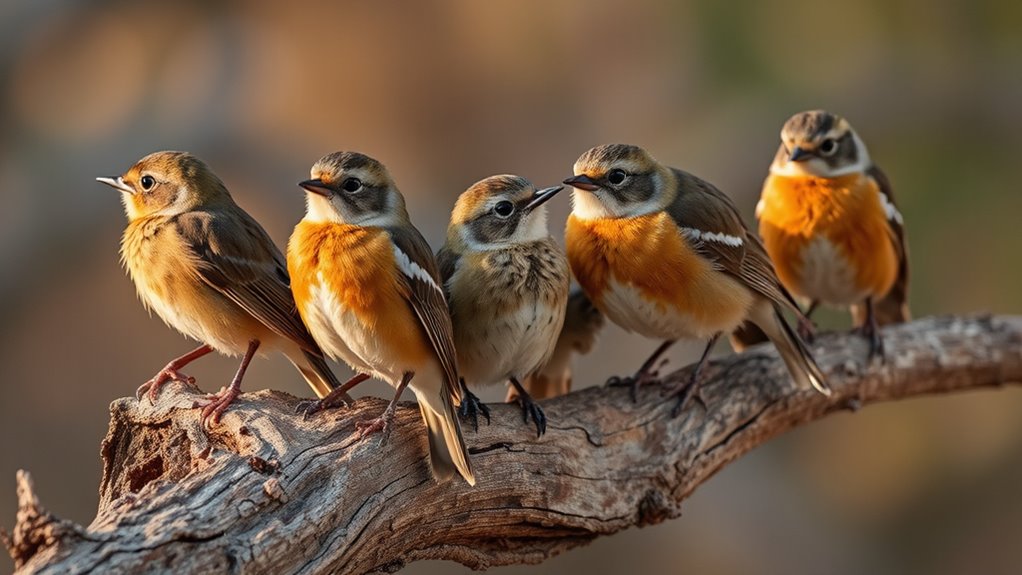
You’ll notice many Austin birds look alike at first glance, but small clues make them easy to tell apart. Start by size, shape, and color patterns, then watch behavior and habitat. For example, a grackle, a sparrow, and a cowbird differ in bill shape and plumage brightness, so you can spot them quickly in mixed flocks. Listen for songs, too, since tunes vary by species, not just looks. Check where you find them: grassy yards for sparrows and open water for grackles, and compare tail shapes. With practice, this becomes a fun, easy habit you’ll enjoy on weekend birdwatching trips too.
Field Marks of Iconic Austin Birds
Field marks help you identify iconic Austin birds quickly with simple clues you can remember. By noting plumage patterns, wing shapes, tail behavior, and distinctive vocalizations, small differences reveal the species. For example, the Northern Mockingbird stands out with bold tail flashes and a varied song, while the Red-tailed Hawk shows a crisp belly band and broad, rounded wings. Watch for the bright sides of a Yellow-rumped Warbler and the soft coos of a White-winged Dove. With steady practice, birding becomes a fun, social habit you can enjoy anywhere in town with friends nearby.
Seasonal Warblers, Sparrows, and Finches
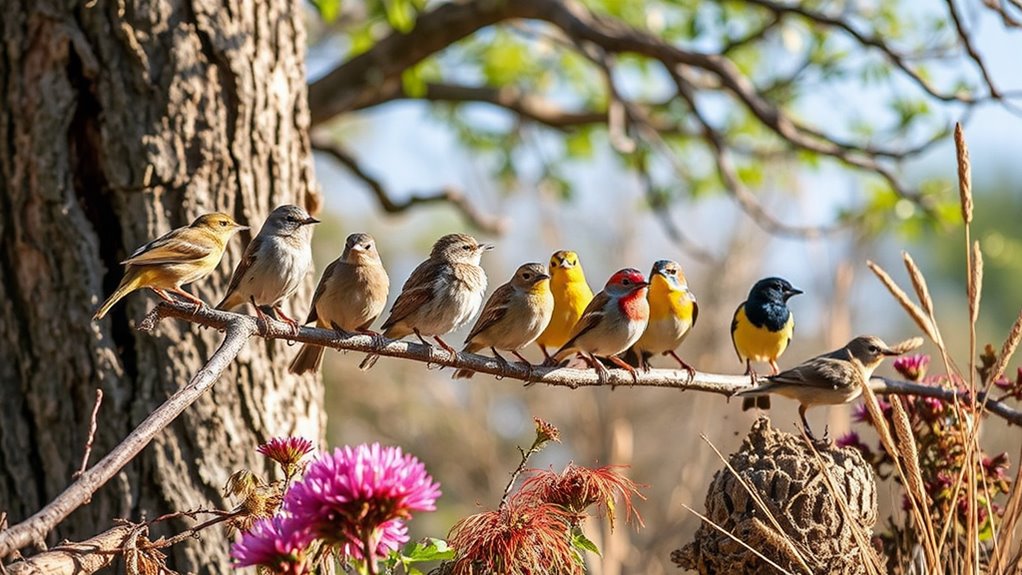
Seasonal warblers, sparrows, and finches brighten Austin yards as winter settles in. You’ll spot bright yellow goldfinches at feeders, hear quick warbler songs from brushy trees, and feel excited to learn their little tricks. Start simple by keeping a tidy feeder, offering mixed seeds, and watching for fledglings. When a Chipping Sparrow hops by, notice its neat eyebrow stripe and short bill. Listen for warbler songs on warm afternoons, and note where birds feed, then compare with field guides. Finch feeding is easy near asters and sunflowers, and you can record sightings in a notebook or app this season.
Safe, Ethical Birdwatching in Austin
As winter birds brighten Austin yards, safe, ethical birdwatching helps you enjoy them without stressing habitats. Start by observing quietly from a safe distance, keeping voices low and movements calm. Practice binocular etiquette by lowering gear when others nearby move, and reset focus gently to avoid disturbing birds. Respect habitat by staying on trails, not chasing birds, and leaving nests and feeders alone. Bring water, wear soft colors, and plan trips during calm, clear mornings for better sightings. Always practice habitat respect, smile at others who enjoy birds nearby, share finds briefly, swap tips, and stay curious.
Frequently Asked Questions
What Are the Most Reliable Indicators of Local Bird Health in Austin?
Reliable indicators of local bird health in Austin include feeder observations that show diverse activity and regular visits, as well as nesting success rates across species. Healthier flocks are typically associated with well-stocked feeders, preserved habitats, and seasonal increases in fledgling numbers.
How Do You Spot Nocturnal Migration Over the City?
You spot nocturnal migration by moonwatching clear skies; watch for birds moving past silvery moonlit streets, and compare radar data. You track flock waves, note compass directions, and log the timing of local flyovers overhead each night.
Which Urban Habitats Support the Highest Diversity of Common Austin Birds?
Greenbelts, parks, and other urban habitats host the highest bird diversity in Austin. Early migrants, resident songbirds, and raptors are common there, supported by tree canopy, water features, and a mix of habitats that attract a rich community of species.
Do Common Austin Birds Adapt to Urban Noise, and How?
Yes, Austin birds adapt to urban noise through changes in vocalization and behavior. You’ll notice them singing earlier or louder, varying their calls, perching differently, and adjusting feeding and flight patterns to thrive in noisy habitats.
Are There Citizen Science Projects Tracking Year-Round Austin Birds?
Yes, you can track year-round Austin birds through citizen science projects like eBird and iNaturalist. You’ll log sightings, compare trends, and contribute data to studies while enjoying birds in your yard, parks, or nature walks.
Conclusion
Birdwatching in Austin is friendly and easy to start, so grab a feeder, a notebook, and curiosity. In your yard you’ll spot white-winged doves, northern cardinals, house sparrows, goldfinches, tufted titmice, and other familiar Austin neighbors. You’ll learn to tell them apart by size, shape, and color. Listen for songs, watch tail and bill clues, and pace yourself with simple goals. Take short, regular sessions, mark notes, share sightings with friends, and soon your backyard becomes a tiny, joyful nature classroom.