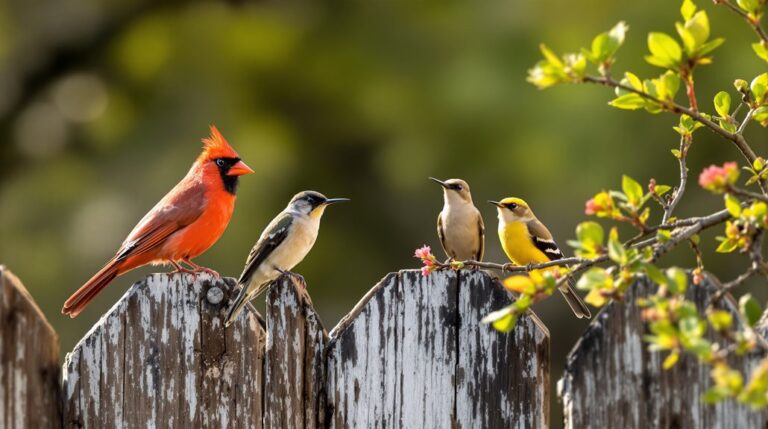
What Birds Eat Millet: you can attract a variety of birds by offering millet, since different seeds appeal to many species.
Ground feeders like sparrows and doves enjoy white proso and other millet varieties, especially in spring.
Finches and juncos linger for red, Japanese, or panicum millet, so mix small amounts thoughtfully.
Keep your feeder near shrubs, refresh seed every few days, and you might spot surprises. There’s more to explore, and it surprises you.
Millet Seed Types for Ground Feeders: What Each Bird Likes
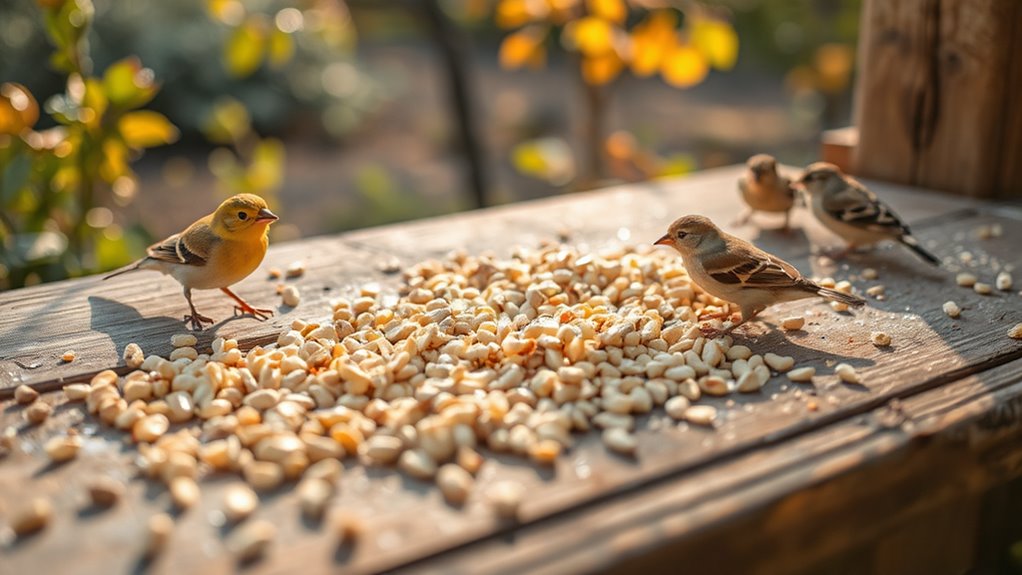
Millet seed types matter, especially for ground feeders you spot in your yard. Seed variations change which birds visit, so you match offerings to regional preferences and seasonal visitors. White proso millet stays favored by sparrows and doves, while red millet adds variety in mixed blends. Japanese millet appeals to some ground-feeders, and Panicum millet can broaden your attractor list. Keeping it simple, start with a small scoop on the ground and watch who visits. Mix and switch as you notice patterns, using regional preferences to guide your choices and keep birds curious all year round. Seed mixes heavy in millet can lead to discarded seeds and hulls, which may attract pests and promote mold if not managed with regular cleaning. For those interested in capturing these visitors, using a fast shutter speed can help freeze motion when photographing active ground-feeding birds.
Birds That Eat Millet: Quick Matches and Rationale
Birds That Eat Millet: Quick Matches and Rationale
If you’re inviting birds to your yard, millet is an easy option many species enjoy. You’ll notice sparrows hopping around, doves perched nearby, and finches chirping as you sprinkle millet on the ground. It feels simple and welcoming.
This guide highlights sparrow diets and dove choices, and explains how feeders attract ground-loving birds. You’ll see good matches when you spread millet in open, accessible spots. Keep the setup straightforward, watch for migratory visitors, and avoid overcrowding. This hobby stays fun and easy, with kids helping out. You’ll learn which birds prefer white proso millet and how to place seed for best results. For those photographing these active feeders, a lens with optical image stabilization can help capture sharp images of fast-moving sparrows and finches. Achieving sharp shots also benefits from cameras with fast continuous shooting speeds to capture quick movements.
How to Set Up Millet for Max Attraction
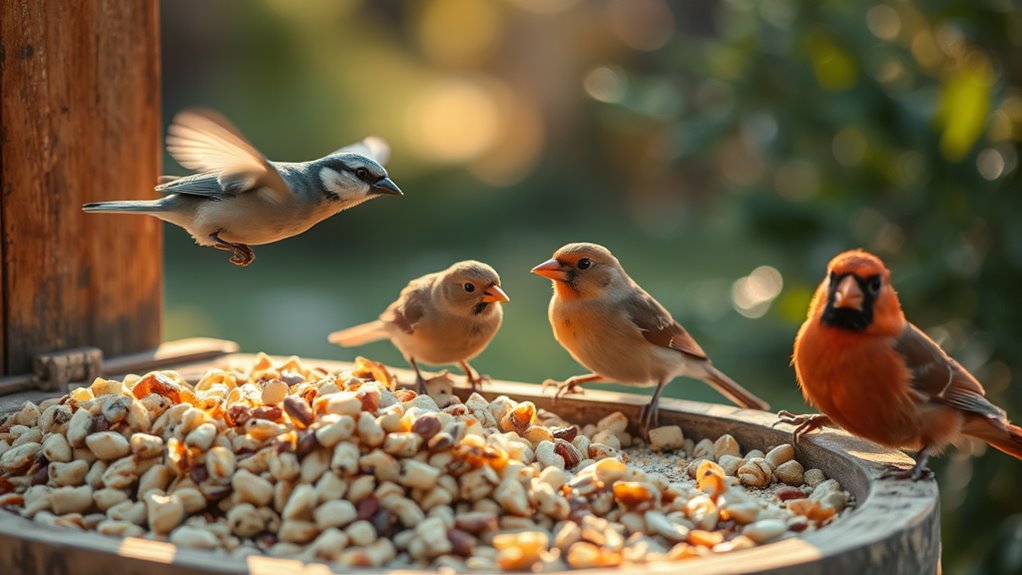
When you set up millet, start with a few easy spots and watch birds arrive. Keep it simple at first, then adjust as you learn who comes by. Place seed where the ground is safe and easy to reach, and think about feeder height so small birds can nibble too. Use ground placement near shrubs for cover, and away from busy paths. Offer millet in spring and fall to catch migrants, and check often for clean, wasted seed. Stay patient, greet dawn with a smile, and enjoy this easy, relaxing bird time with friends. Your yard will welcome curious visitors.
Millet Feeding by Season: Migrants, Residents, and Timing
As seasons shift, tailor millet feeding to attract both migrants and residents. In spring, welcome spring arrivals by placing millet where cover is open and easy to reach, near shrubs. For winter holdouts, keep a steady ground spread and a sheltered spot so birds feel safe. Use low platforms and scatter millet in small piles rather than large heaps to invite juncos and sparrows. Regular tweaks, such as fresh seed every few days, keep interest high. Sharing tips with neighbors makes birdwatching a fun and simple hobby you can enjoy together. It stays easy, affordable, and surprisingly rewarding daily.
Common Millet-Feeding Pitfalls and How to Avoid Them
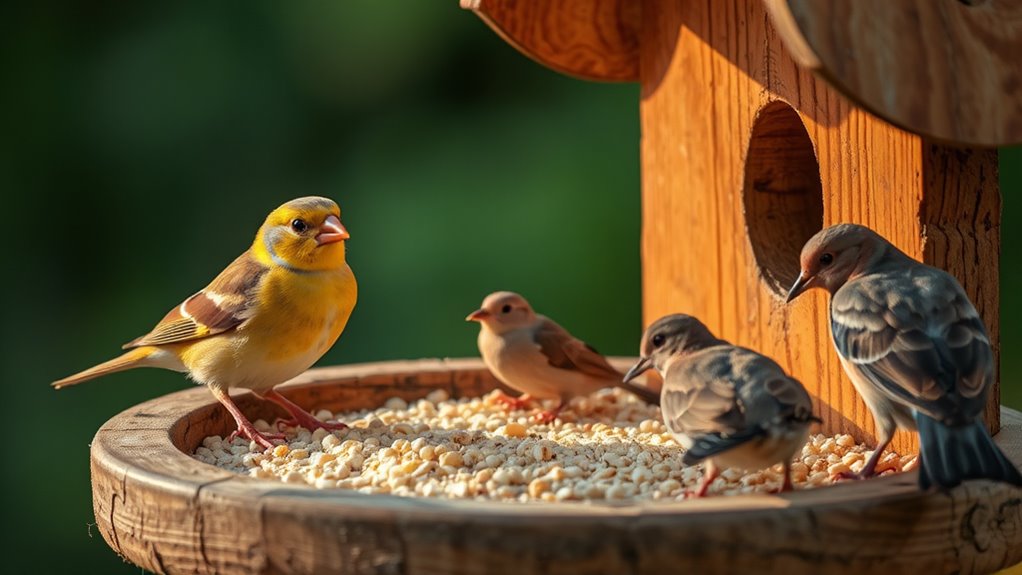
Millet is great for backyard birds, but you can miss the mark if you overdo it. To avoid waste, feed only small amounts and watch how fast millet disappears. Practice pest control by keeping grain off the ground where rats or mice roam, and clean up spills soon after you fill feeders. Use a low platform feeder for ground users, which reduces scattering and waste. Mix millet with other seeds sparingly, so curious birds don’t hog all the food. Rotate feeding spots weekly to protect plants and keep birds excited about the treat. It stays fun and low-stress.
Frequently Asked Questions
How Does Millet Type Affect Attractant Variety Across Regions?
Millet type changes attractants regionally: you’ll see Proso Preference for ground feeders in open habitats, while Foxtail Favoritism appears where foxtail millet thrives; adjust seed mixes, scattering methods, and feeders accordingly to maximize regional attraction.
Do Millet Seeds Have Toxicity Risks for Pets or Livestock?
Yes, certain millet seeds can pose risks to pets or livestock in rare cases due to cyanogenic compounds and goitrogenic properties. Restrict access, monitor intake, and consult a veterinarian if exposure occurs; seek emergency care immediately.
Can Millet Feeding Influence Local Seed-Eating Bird Competition?
Millet feeding can change food availability and population dynamics, influencing which species dominate local seed-eating niches. This can heighten competition as some birds exclude others or adjust foraging to millet patches in the area.
Are Millet Preferences Different for Urban Versus Rural Settings?
Yes, millet preferences differ with food availability and habitat changes between urban and rural settings. As city landscapes alter feeding spots and cover, adjust millet types and placement to balance visits.
What Signs Indicate Millet Is Causing Pest Bird Overruns?
You’ll notice pest overruns when dropping patterns and larger flocks materialize around your millet. Birds flock more, waste piles grow, seeds disappear quickly, and nuisance species display aggressive feeding, driving others away from your yard.
Conclusion
You can start today by setting out small piles of millet for birds. Choose fresh seed every few days and place it near shrubs for cover. Keep the feeder low to reduce waste and spillage, making cleanup easy. Watch sparrows and finches learn the routine, inviting others with millet. If you mix seeds, offer small amounts and refresh often for the best results. Stick with a simple setup, stay patient, and your backyard becomes a lively classroom.